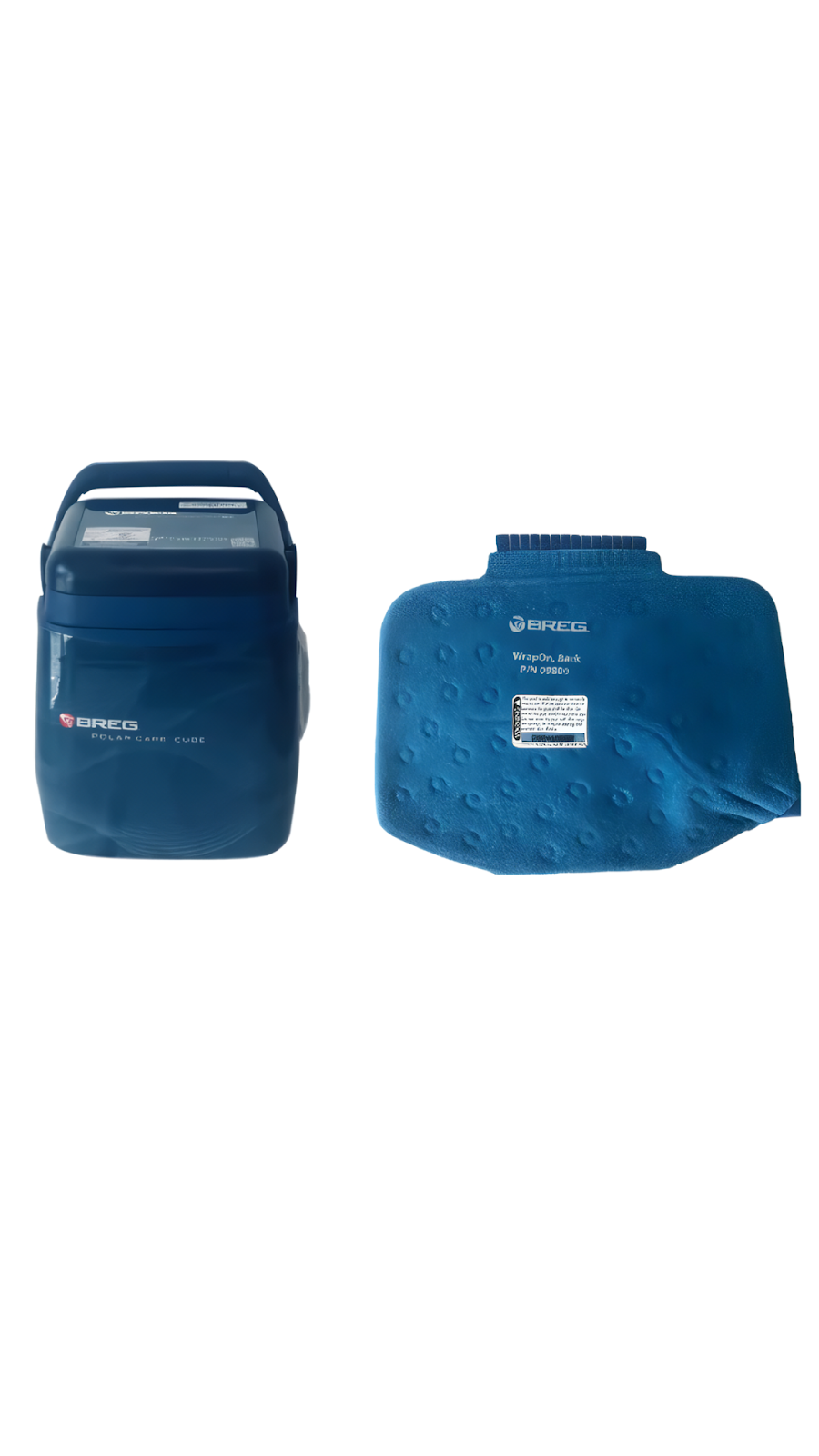
Cold therapy is the application of cold temperatures to a specific area of the body following a surgical procedure. It is commonly used as part of a broader recovery plan and can be delivered through ice packs, reusable gel packs, cold compression wraps, or specialized cold therapy machines.
Many patients choose cold therapy because it is simple to use at home and can be incorporated into a daily recovery routine. Depending on the product, treatment may involve placing a cold pack over the affected area or using a machine that circulates chilled water through a treatment pad. Healthcare providers often include cold therapy among several recovery recommendations, including rest, elevation, rehabilitation exercises, or mobility support devices.
When Should I Start Cold Therapy After Surgery?
Many patients begin using cold therapy shortly after surgery, although the timing should always follow the recommendations provided by their healthcare provider. During the first several days after surgery, people are often looking for ways to support comfort and establish a recovery routine. Cold therapy is frequently included as part of that process because it can be used at home and incorporated into other provider-directed recovery recommendations.
Some surgical centers provide cold therapy equipment before patients leave the facility, while others recommend purchasing products independently. The exact timing may vary depending on the type of procedure, personal preferences, and provider instructions.
How Long Should I Use Cold Therapy After Surgery?
The amount of time people use cold therapy varies significantly from one recovery experience to another. Some individuals use cold therapy regularly during the first few weeks after surgery, while others continue using it periodically after rehabilitation sessions or increased activity.
The recommended duration often depends on factors such as the procedure performed, the recovery plan provided by the healthcare team, and personal comfort preferences. There is no single timeline that applies to every patient. If you're looking for a more detailed discussion of common recovery timelines, read our guide on
how long to use cold therapy after surgery.
What Are the Benefits of Cold Therapy Following Surgery?
Cold therapy remains a popular recovery tool because it is easy to use at home and fits into a daily routine. Patients can choose from portable products, machine-based systems, or reusable cold packs depending on their preferences and lifestyle.
Because recovery experiences vary, individual results and preferences differ. If you have questions about whether cold therapy is appropriate for your plan, consult your healthcare provider.
Can Cold Therapy Be Combined With Other Recovery Strategies?
Many healthcare providers recommend using cold therapy alongside other recovery tools such as elevation, mobility exercises, and provider-directed rehabilitation. Rather than relying on a single product, many patients build a routine that includes multiple approaches working together. The specific combination depends on the procedure performed and the goals your healthcare team has established for your recovery.
Are Cold Therapy Machines Better Than Ice Packs?
Cold therapy machines and traditional ice packs both provide cooling, but they offer different user experiences. Ice packs are widely available, inexpensive, and easy to use, though they need to be replaced or refrozen throughout the day. Cold therapy machines circulate chilled water through a treatment pad, which can provide more consistent cooling over longer periods without frequent ice changes. If you are comparing options, our
best cold therapy machines guide covers the differences between popular systems and their features.
How Often Should I Use Cold Therapy Each Day?
The frequency of cold therapy use depends on your individual recovery plan and the recommendations provided by your healthcare team. Because every procedure and recovery experience is different, there is no universal schedule that applies to everyone.
Some patients choose to use cold therapy multiple times throughout the day, while others incorporate it primarily after physical therapy sessions, exercise, or periods of increased activity. The type of cold therapy product being used may also influence treatment schedules. Consistency is often easier to maintain when cold therapy is incorporated into an existing daily routine.
Is Cold Therapy Safe After Joint Replacement Surgery?
Many people use cold therapy following joint replacement procedures as part of their recovery routine. Modern cold therapy products are designed with convenience and ease of use in mind, but it is important to follow both manufacturer instructions and healthcare provider recommendations.
Safety considerations can vary depending on the type of product being used. For example, some systems use circulating water while others rely on frozen inserts or reusable packs. Patients researching recovery equipment often have questions about machine-based systems and whether they are appropriate after surgery. If you're evaluating a specific device, our article discussing
whether Breg Polar Care is safe after joint replacement provides additional information.
Can Cold Therapy Be Used Alongside Other Recovery Tools?
Many patients use cold therapy alongside other recovery products and recommendations provided by their healthcare team. Recovery often involves multiple components, and cold therapy is commonly viewed as one part of a broader plan.
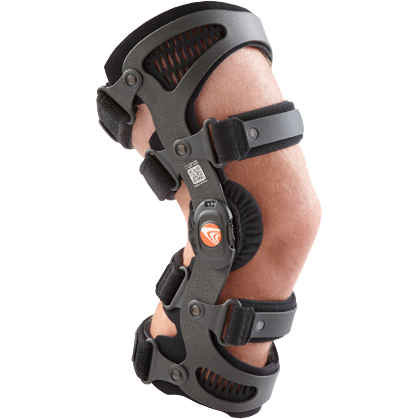
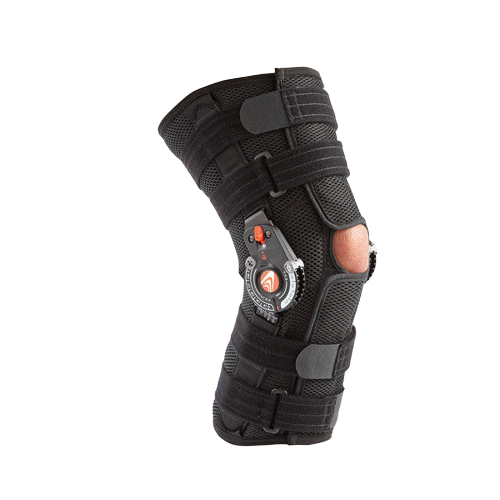
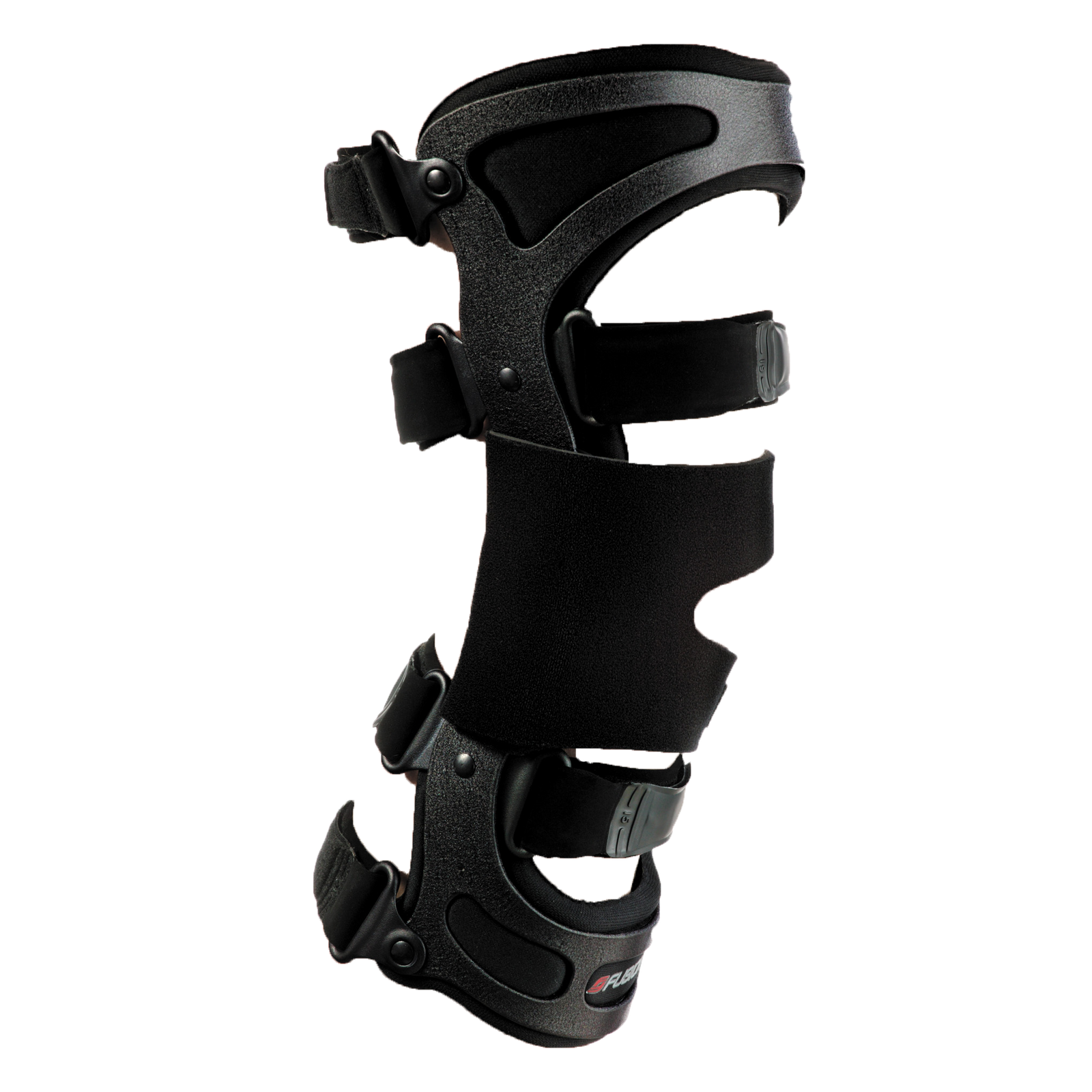
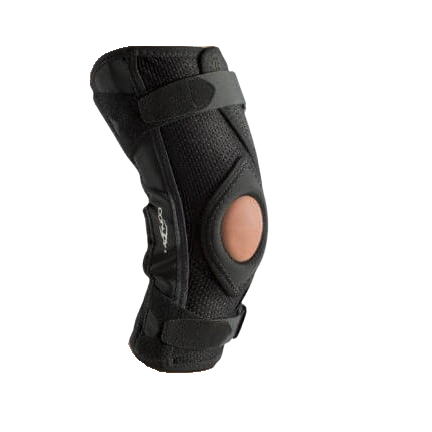
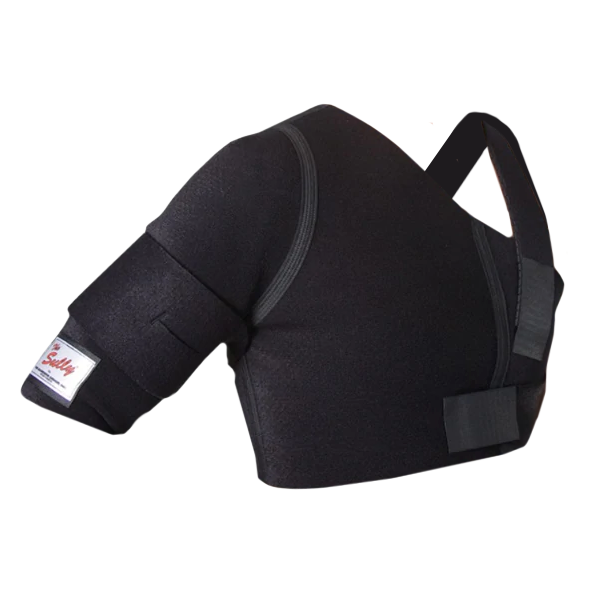
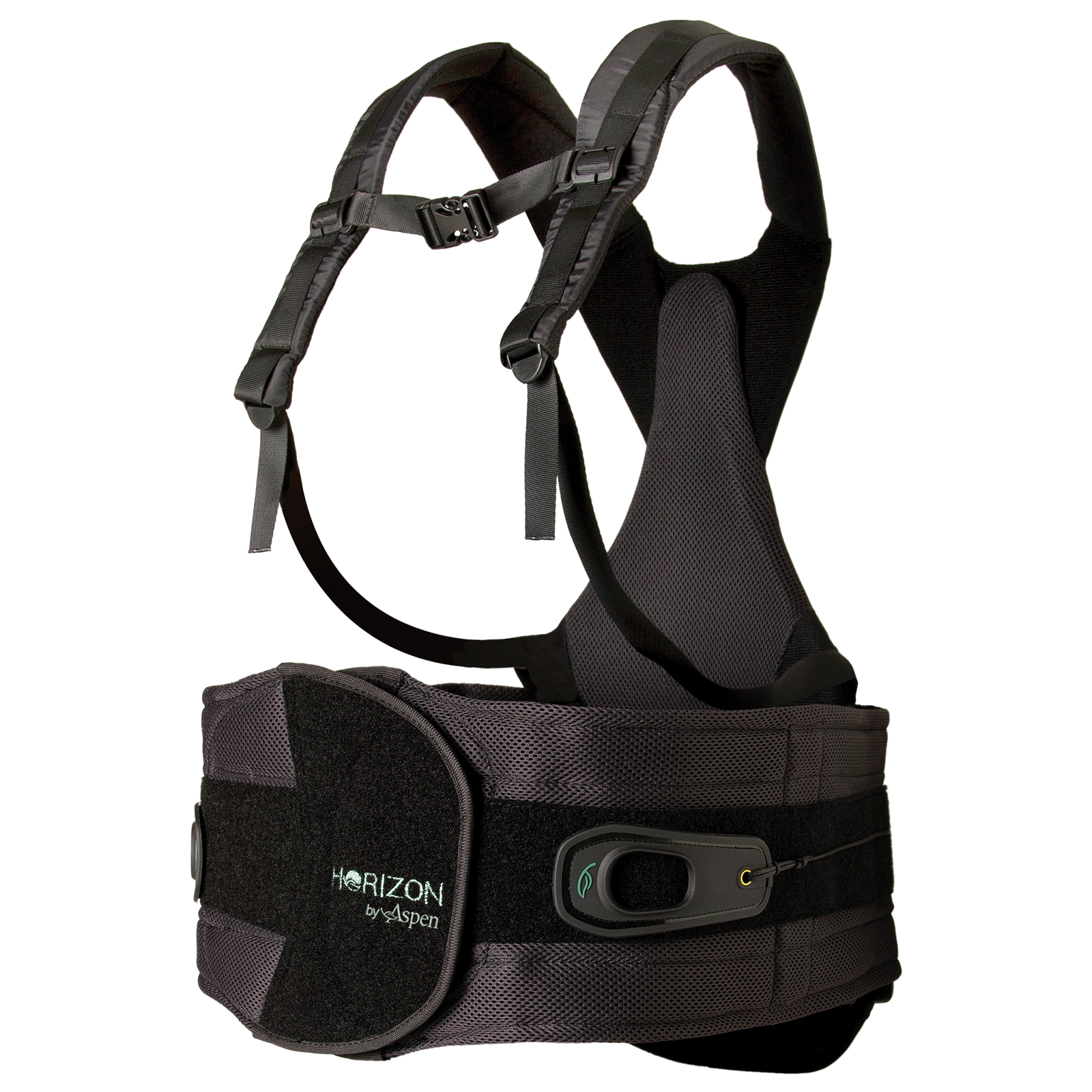
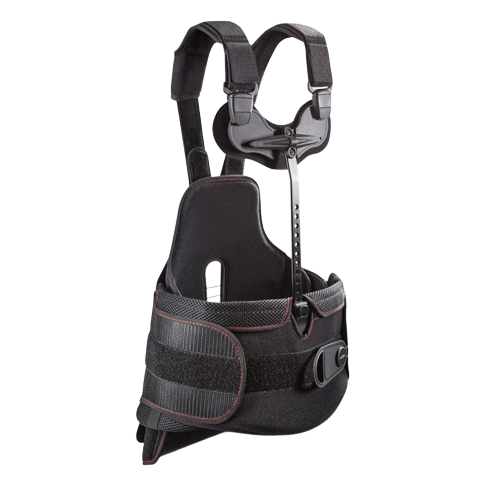
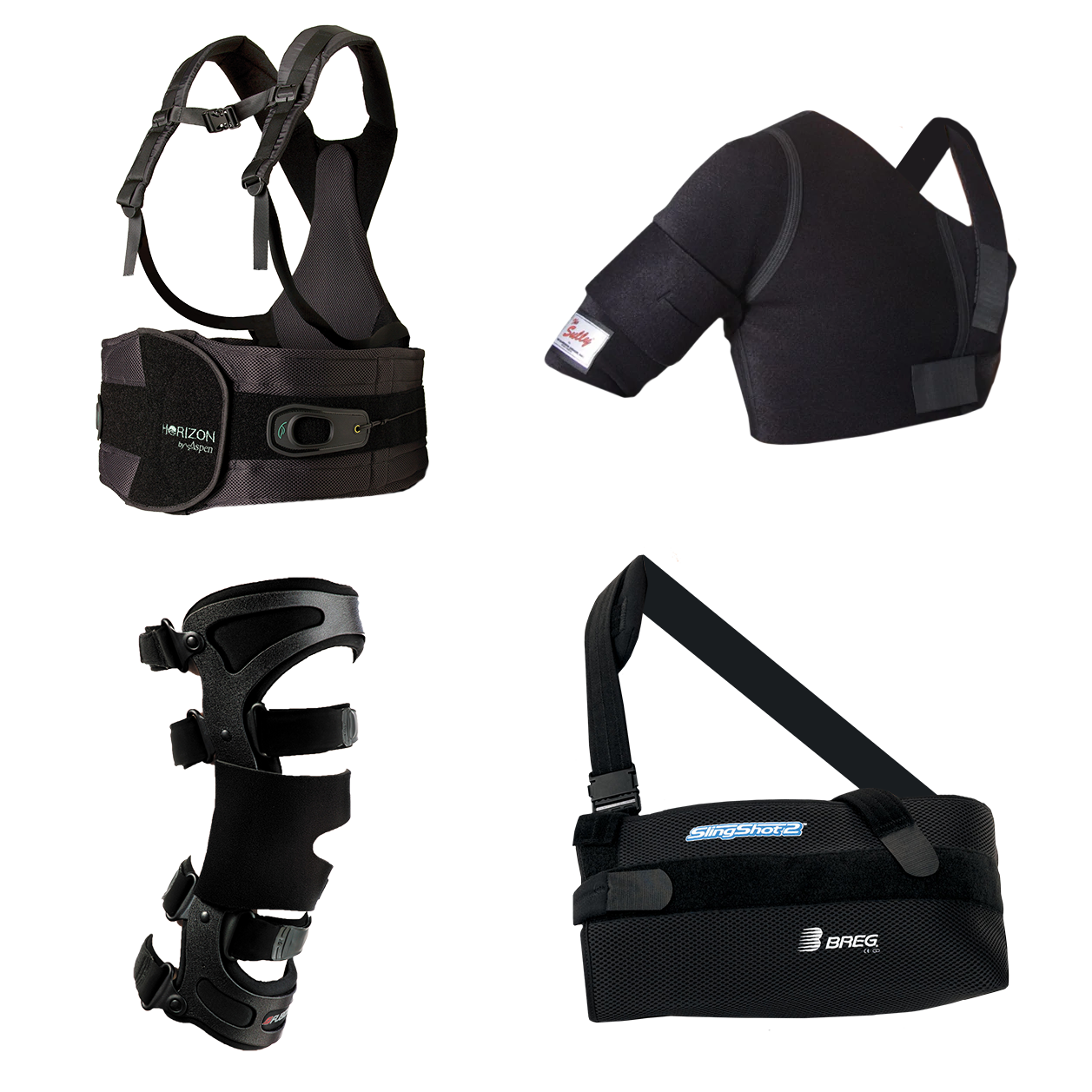
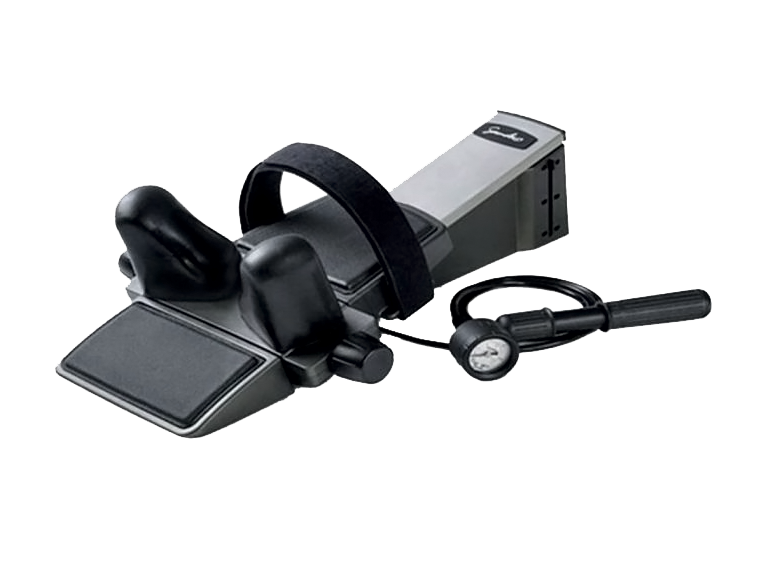
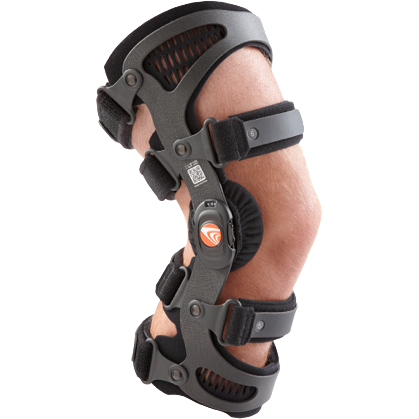
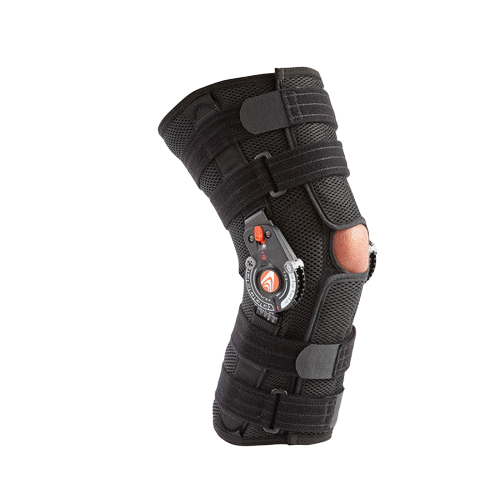
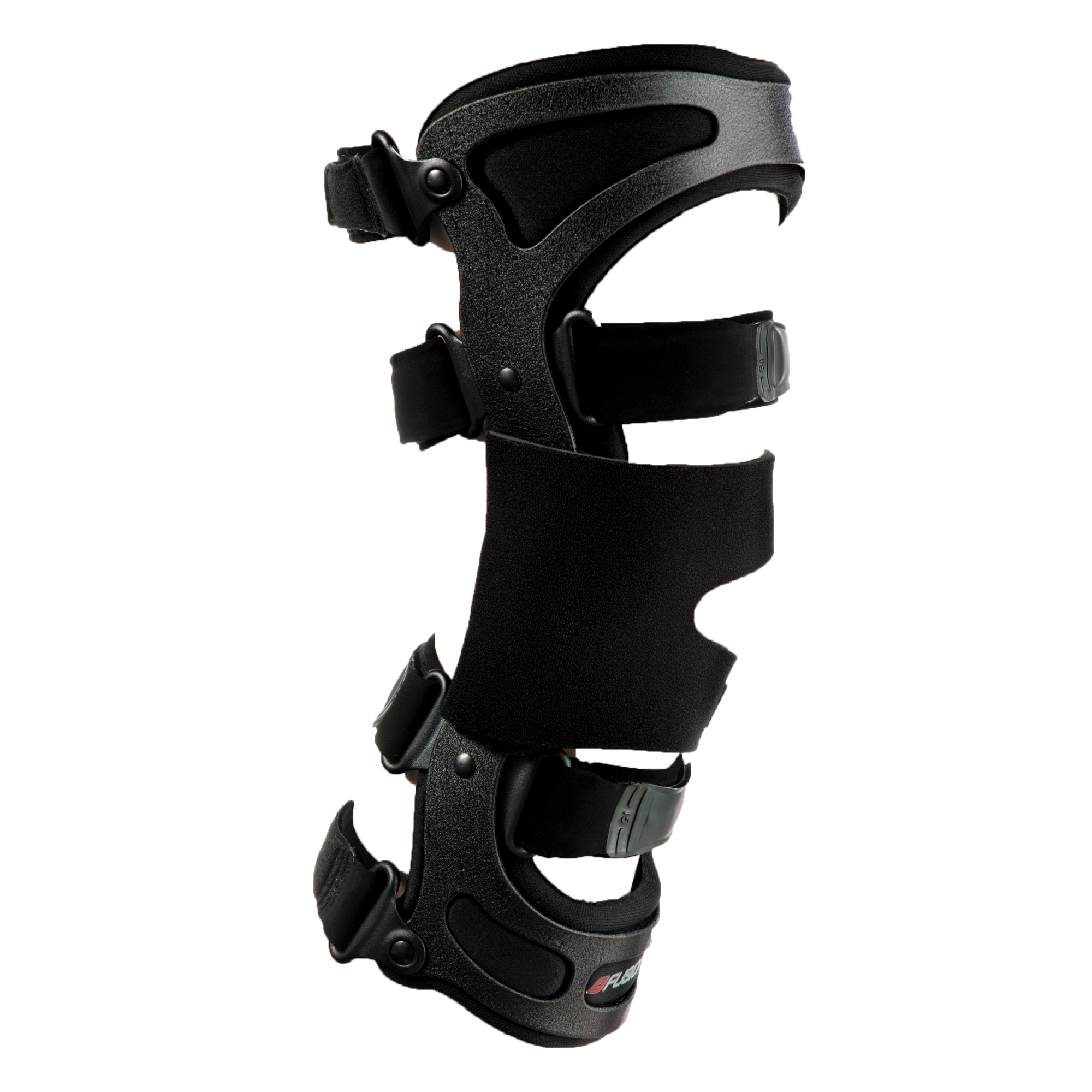
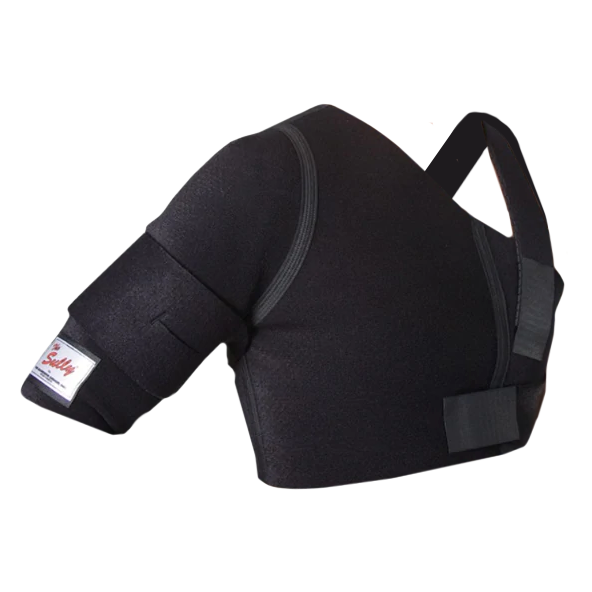
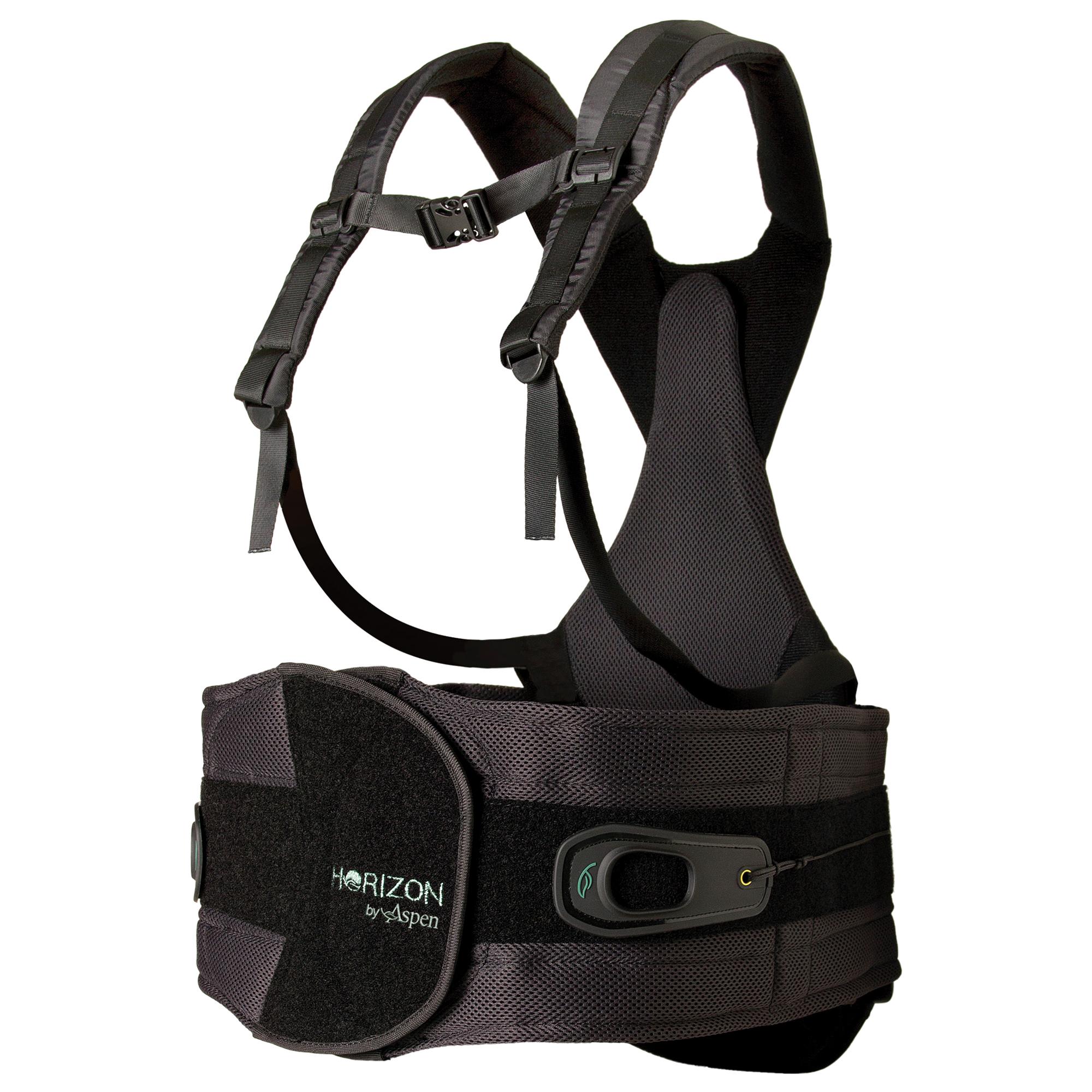
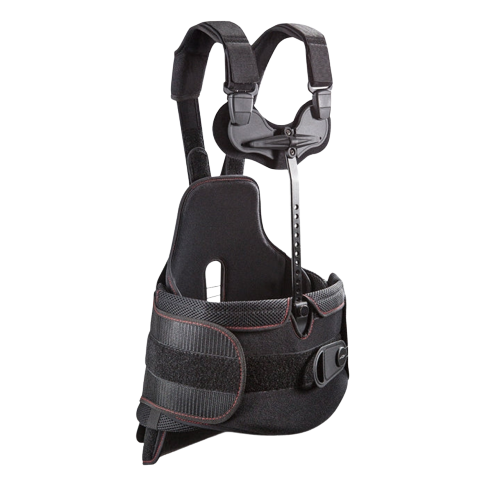
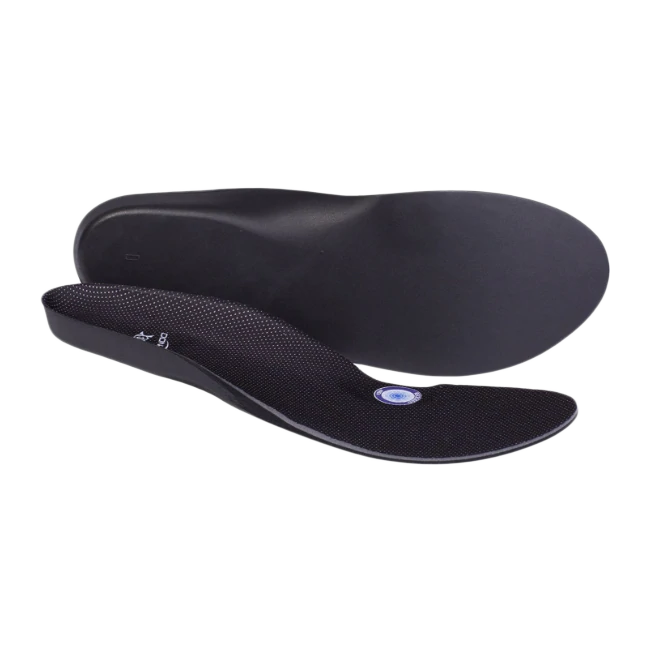
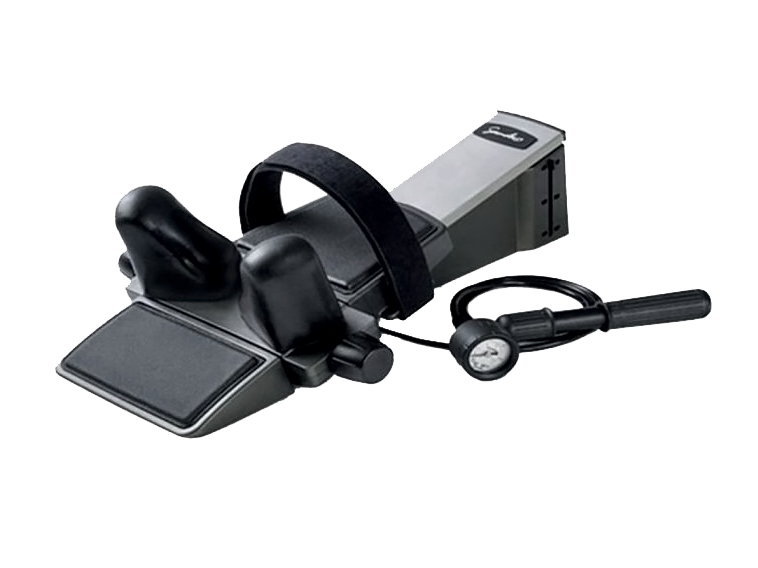
Examples of products that may be used alongside cold therapy include braces, supports, mobility aids, elevation pillows, and rehabilitation equipment. The specific combination varies depending on the procedure performed and the goals established by the healthcare provider.
Is Cold Therapy Covered by Insurance?
Insurance coverage for cold therapy products varies significantly between providers, policies, and individual circumstances. While some plans may offer reimbursement opportunities for certain recovery-related products, others may not provide coverage.
Questions you may want to ask include:
- Does my plan provide reimbursement for recovery equipment?
- Is documentation required?
- Are there approved product categories?
- Are there spending limits or restrictions?
For a more detailed explanation of common coverage considerations, read our guide on
whether cold therapy is covered by insurance. Your insurance company remains the most reliable source for information regarding eligibility, reimbursement requirements, and coverage limitations.
How Do I Choose the Right Cold Therapy Machine?
Choosing a cold therapy machine starts with understanding your personal preferences, recovery routine, and the features that matter most to you. While many products provide cooling through circulating water, the overall user experience can vary significantly between models.
Questions to consider include:
- Will I be using the machine primarily at home?
- Do I want a lightweight system?
- Which treatment area will I be using most often?
- How important is extended cooling duration?
If you're unsure where to begin, our
Cold Therapy Finder Quiz can help narrow down options based on your preferences and recovery goals. You can also review our
best cold therapy machines guide for a closer look at available features and product comparisons.
Can I Use Cold Therapy After Physical Therapy Sessions?
Many people choose to use cold therapy after physical therapy sessions because it fits naturally into their recovery routine. Physical therapy often involves exercises, stretches, and movement-based activities that are intended to support rehabilitation goals established by a healthcare provider.
Following a therapy session, some patients prefer to spend time resting, elevating the affected area, or incorporating cold therapy into their routine. The specific approach often depends on provider recommendations and personal preferences. Many systems can be used at home, making them accessible immediately after therapy appointments. Portable options may also be useful for individuals who travel between therapy facilities and home.