














Key Takeaways:
- Timing Matters: Wearing an ACL knee brace at the right stage of recovery can support joint stability and help maintain confidence during daily movement and activity.
- Fit And Function Are Not The Same: A functional ACL brace and a knee sleeve serve different purposes. Knowing which one fits the situation makes a real difference in how well the knee is supported.
- Source And Support Count: Ortho Bracing carries ACL support braces from trusted brands, with a team available to help narrow down the right option before purchasing.
Many people search for an ACL knee brace after a knee strain, a misstep, or in the weeks following a procedure. The challenge is that not every brace is built for the same purpose, and choosing the wrong one can mean less support when it matters most.
Ortho Bracing is a family-run business based in Charlotte, North Carolina, with nearly two decades of experience in orthopedic products. The store carries braces from established brands like Breg, DonJoy, and Aircast, with real support staff available to help customers make informed decisions.
In this piece, we’ll break down when an ACL brace is appropriate, what features to look for, and how the available options differ.

When An ACL Support Brace Makes Sense
Not every knee concern calls for a rigid brace, but there are specific situations where added support is worth considering.
Activity That Puts Stress On The Knee
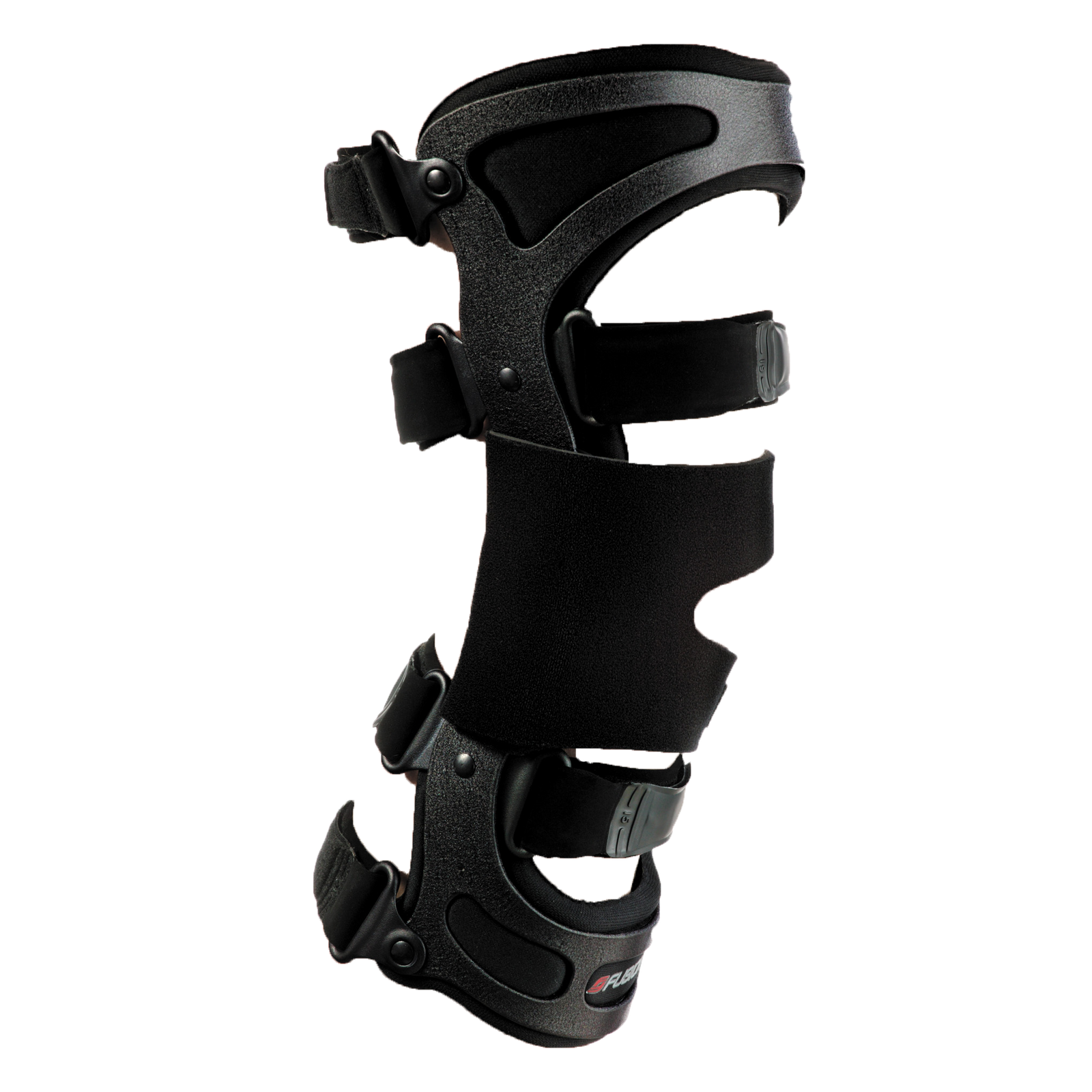
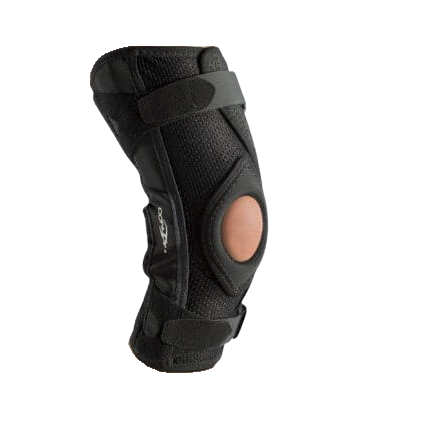
For adults who are active in hiking, recreational sports, or regular exercise, an ACL support brace can provide added stability during movements that place lateral or rotational demand on the knee. This is especially relevant for anyone with a history of knee issues who wants to stay active with some added reassurance.
Knee Brace After ACL Surgery
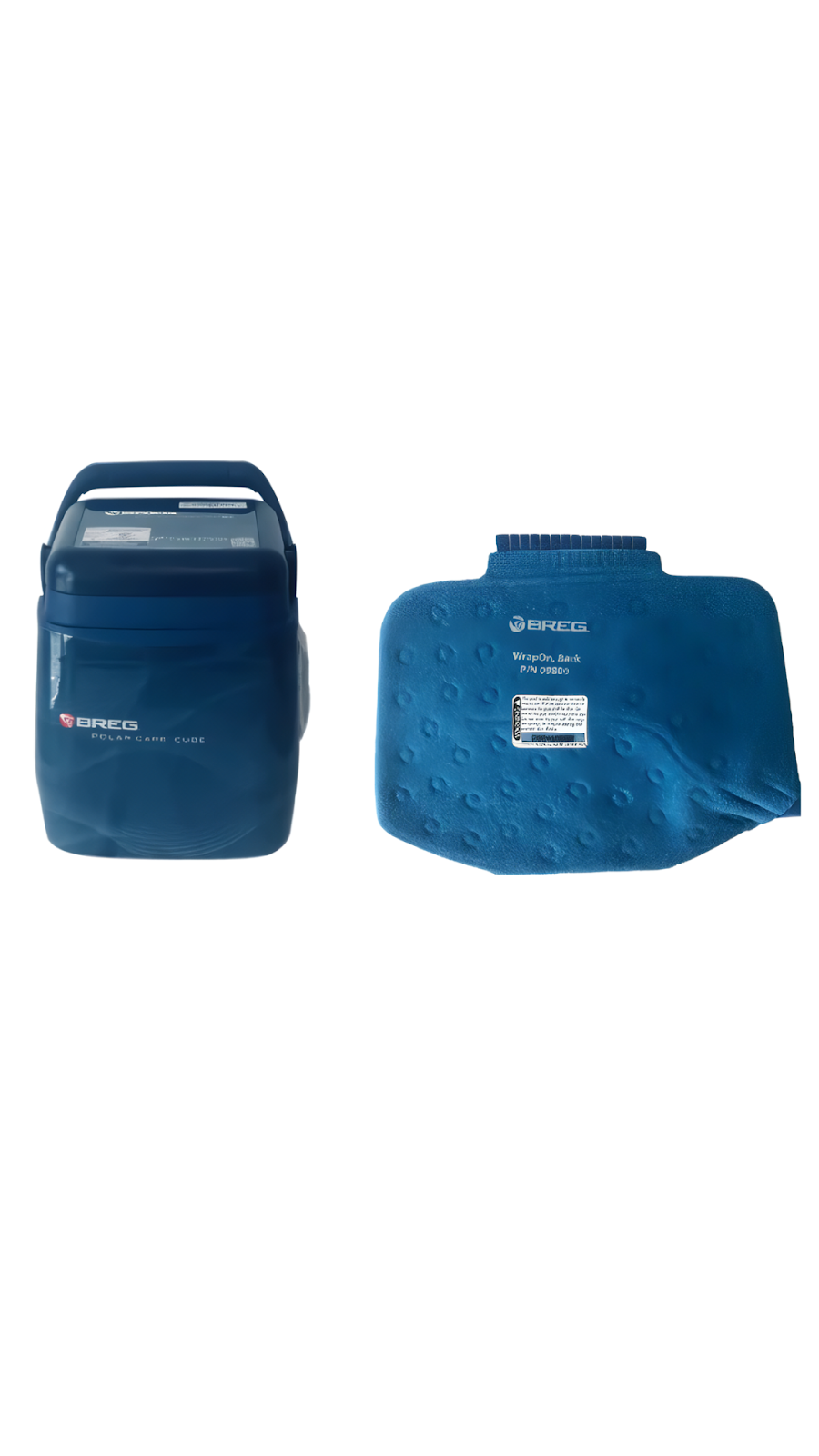
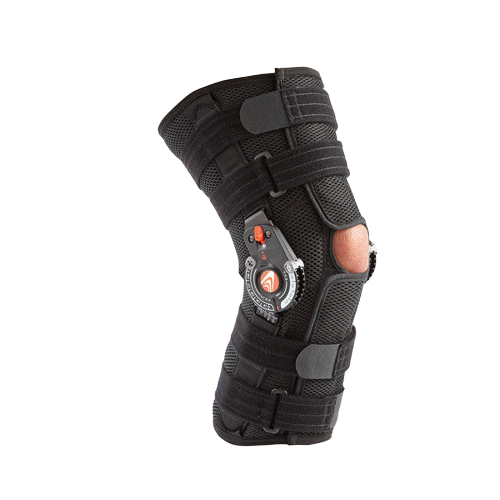
Post-procedure recovery often involves a period of bracing. A knee brace after ACL surgery is typically used to limit early range of motion, then transitioned to a functional brace as mobility improves. The timeline should always be guided by the treating provider. Pairing a brace with cold therapy after knee surgery is a common approach recommended by many care providers.
Returning To Activity After A Knee Injury
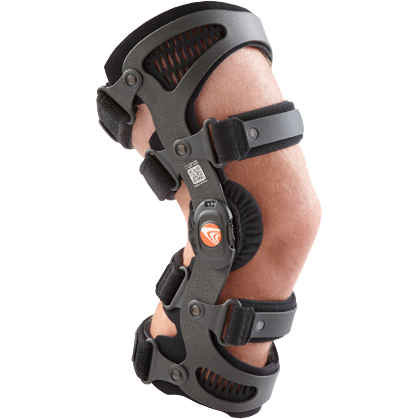
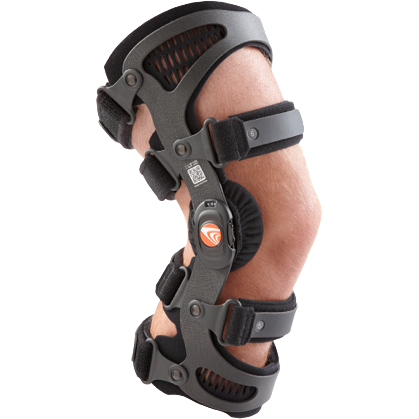
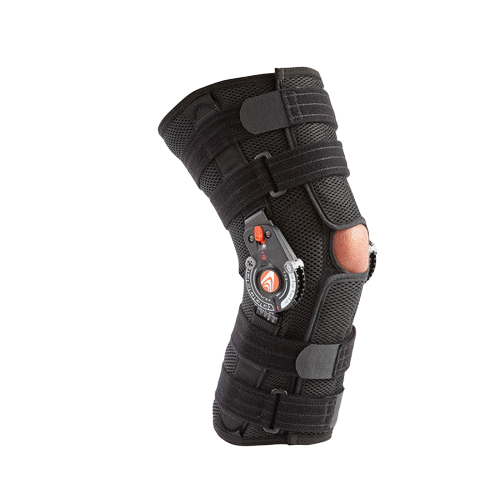
For those returning to physical activity after a knee strain, a functional ACL brace provides mechanical support without fully restricting movement.
ACL Brace vs. Knee Sleeve: What’s The Difference?
This is one of the most common points of confusion when shopping for knee support.
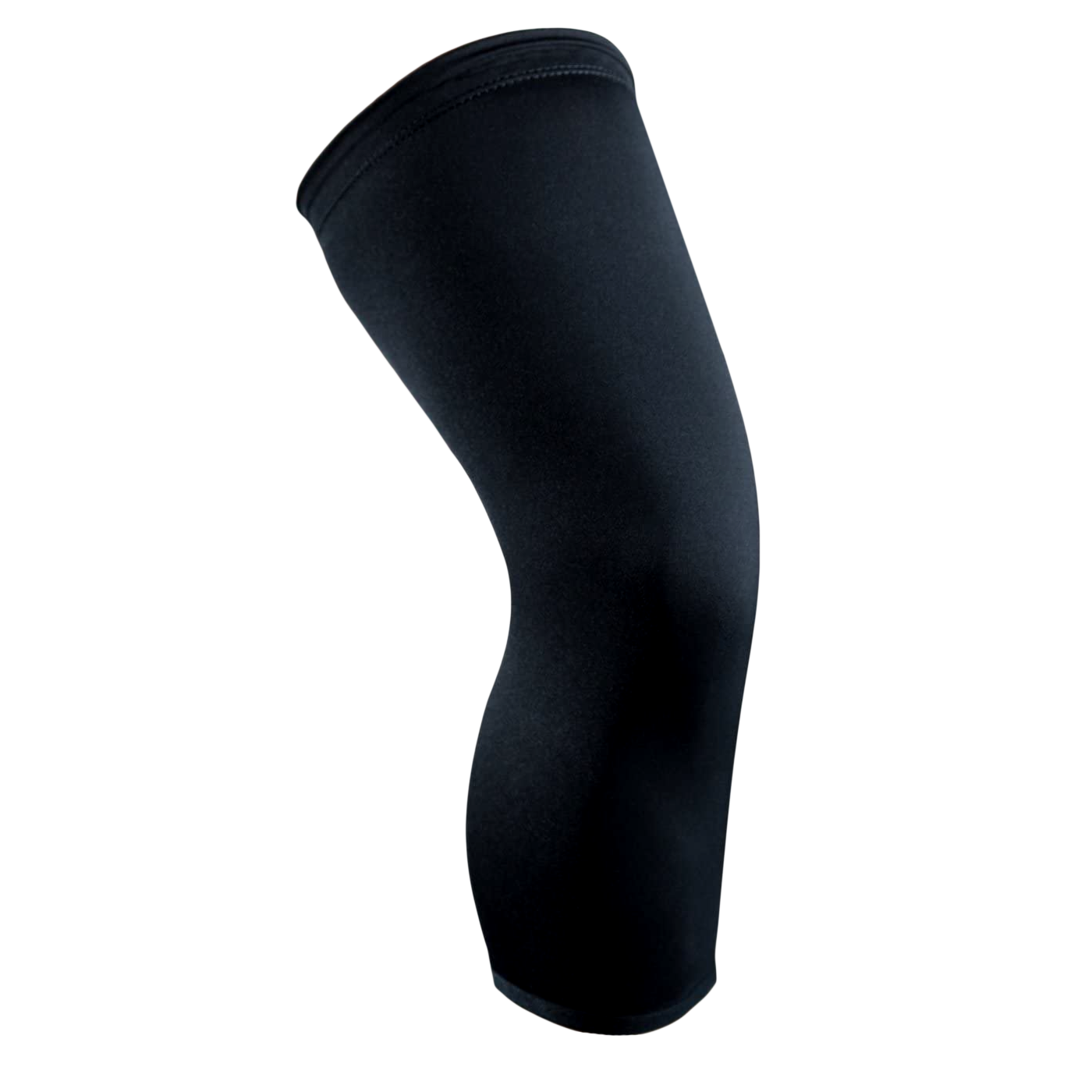
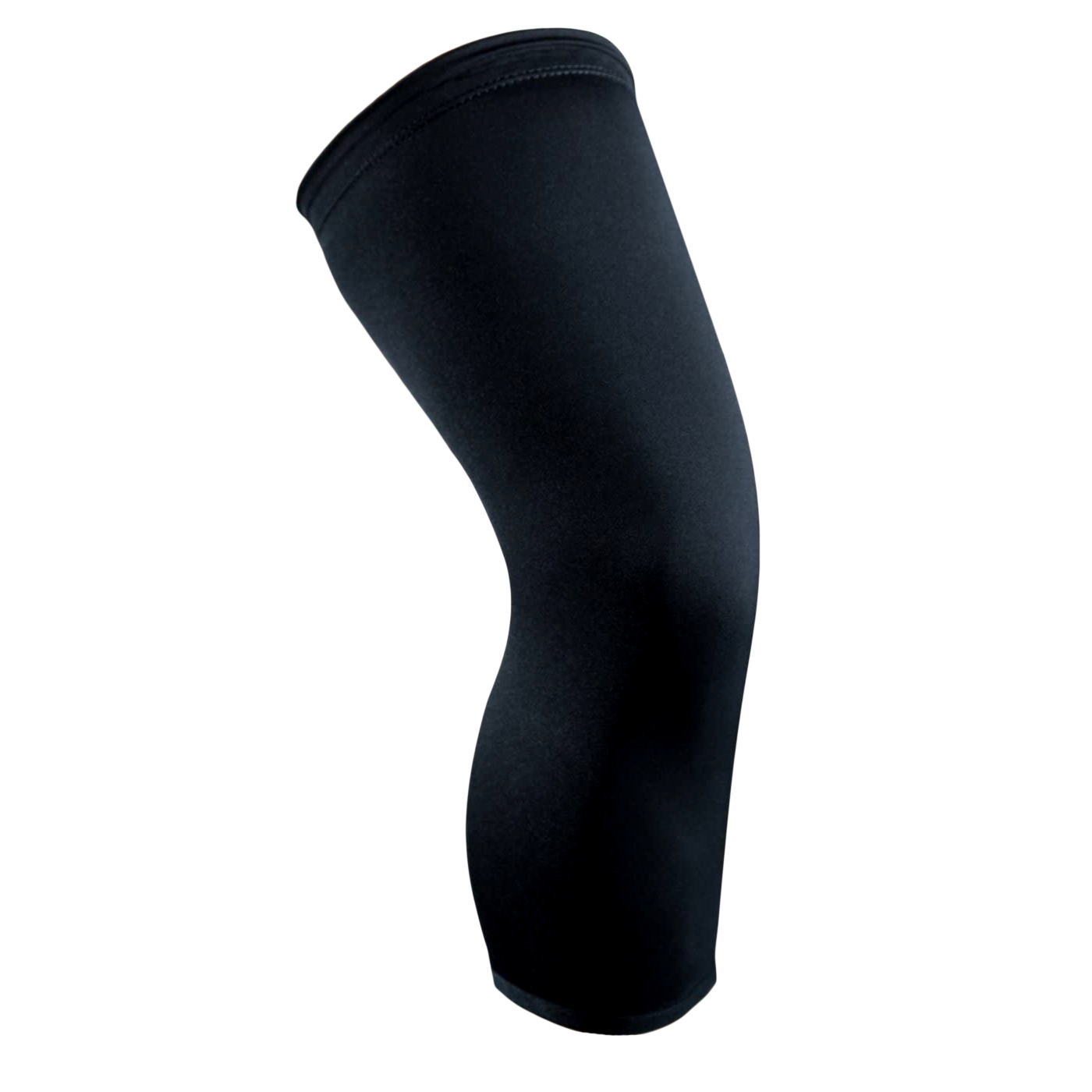
A knee sleeve is a compression garment. It provides warmth, mild compression, and proprioceptive feedback, which is useful for general discomfort or low-impact activity, but it does not offer meaningful structural support to the ligaments.
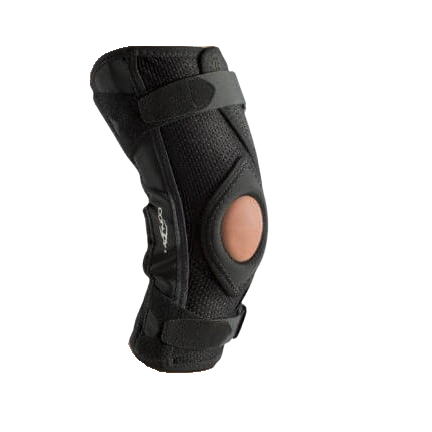
An ACL brace uses hinges, straps, and a rigid frame to limit unwanted joint movement. For situations where ligament stability is the concern, a sleeve is not a substitute for a properly fitted brace.
If the goal is light everyday support, a sleeve may be adequate. For post-procedure recovery or return to higher-demand activity, a functional ACL brace is the appropriate choice. Ortho Bracing's knee braces for ACL injuries covers functional and post-operative options across multiple brands.

What To Look For In A Functional ACL Brace
Several design factors determine how well a brace performs during daily wear and activity.
Hinge Design
The hinges are the core of any functional ACL brace. Polycentric hinges move in multiple planes, more closely replicating natural knee movement and offering greater comfort during extended wear. The guide on the best hinged knee braces covers the critical distinctions in detail.
Frame Material And Weight
Aluminum and carbon fiber frames are lightweight and durable. For adults who wear a brace throughout the day, frame weight is a practical consideration, as heavier frames may lead to fatigue over time.
Fit And Adjustability
A brace that shifts during movement does not provide reliable support. Look for options with multiple strap adjustments and sizing based on actual knee measurements rather than general labels.
ACL Recovery Brace vs. Post-Operative Brace
A post-operative brace is designed to restrict the range of motion in the early recovery period. It is typically bulkier and not built for active daily use.
An ACL recovery brace bridges the gap between immobilization and return to activity, allowing controlled movement while supporting the joint during physical therapy and daily function.
Ortho Bracing also carries elbow and joint braces for those managing multiple areas. Cold therapy guidance for knee pain relief is worth reviewing with a care provider, alongside bracing.
How Ortho Bracing Supports The Buying Process
Finding the right ACL support brace is easier with someone available to answer questions before you place an order. Ortho Bracing carries a curated range of braces from Breg, DonJoy, and Aircast, ships most orders the same day from Charlotte, and has real support staff ready to help narrow down the right option based on the joint, activity level, and stage of recovery. The goal is a straightforward path from question to the right product, without unnecessary back-and-forth.

Final Thoughts
Choosing an ACL knee brace comes down to understanding the knee's stage of recovery or activity and matching it to a brace designed for that specific purpose. A functional brace for return-to-activity looks different from a post-operative brace, and a knee sleeve is not a reliable substitute for either.
Ortho Bracing offers options across these categories, with same-day shipping from Charlotte and staff available to help.
Frequently Asked Questions About ACL Knee Braces
Is a knee sleeve the same as an ACL brace?
No. A knee sleeve offers compression and proprioceptive feedback but does not provide the structural support of a hinged ACL brace.
How long should a knee brace be worn after ACL surgery?
The duration depends on the procedure and the care provider's guidance. Some protocols involve several weeks of bracing, while others extend longer. A care provider should always direct the timeline.
Can an ACL brace be worn during everyday activity?
Yes. Functional ACL braces are designed for active use, including walking, light exercise, and daily tasks. Post-operative braces are better suited to the rest phase of recovery.
What is a functional ACL brace?
A functional ACL brace is designed to support knee joint stability during movement. Unlike post-operative braces, which restrict motion, functional braces allow controlled movement during high-demand situations.
Does Ortho Bracing carry multiple ACL brace brands?
Yes. Ortho Bracing carries options from Breg, DonJoy, and Aircast, covering a range of functional and post-operative styles across different price points.
How do I know what size ACL brace to order?
Sizing is based on thigh and calf circumference measurements. Most product pages include sizing guides, and Ortho Bracing's support team is available by phone for fit questions before ordering.
Can an ACL brace help with general knee discomfort during activity?
A brace may provide support during activity, but persistent knee discomfort should always be assessed by a care provider.

