

















Key Takeaways:
- Bracing Type Matters: Not every knee brace is built for medial ligament support. A brace designed specifically for MCL recovery addresses the mechanics of that injury in ways a general sleeve cannot.
- MCL And ACL Braces Are Different: An MCL brace and an ACL brace share some design elements but are optimized for different types of instability. Knowing the difference helps narrow down the right option.
- Ortho Bracing Carries Options Across Recovery Stages: From early-stage medial knee braces to functional hinged options for return to activity, Ortho Bracing stocks a curated selection from trusted brands.
A medial ligament strain is one of the more common knee injuries in adults, and the path back to normal activity often involves some form of bracing. The knee brace category is broad, and not every option is specifically suited to MCL recovery.
Ortho Bracing is a family-run business in Charlotte, North Carolina, with nearly two decades of experience in orthopedic products. The store carries knee braces from Breg, DonJoy, and Aircast, with support staff available to help identify the right option.
In this piece, we’ll cover what an MCL knee brace does, how it differs from other options, and what to look for at each stage of recovery.
What An MCL Knee Brace Actually Does
The medial collateral ligament runs along the inner side of the knee and stabilizes the joint against inward forces. A strain to this ligament can cause the knee to feel unstable during lateral movement or weight-bearing activity.
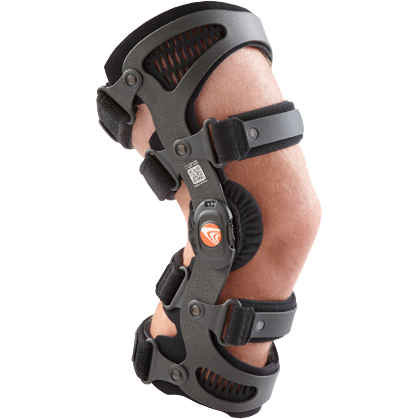
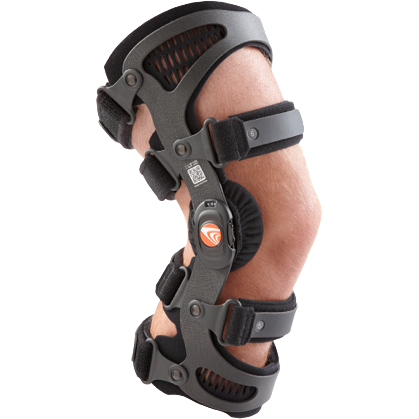
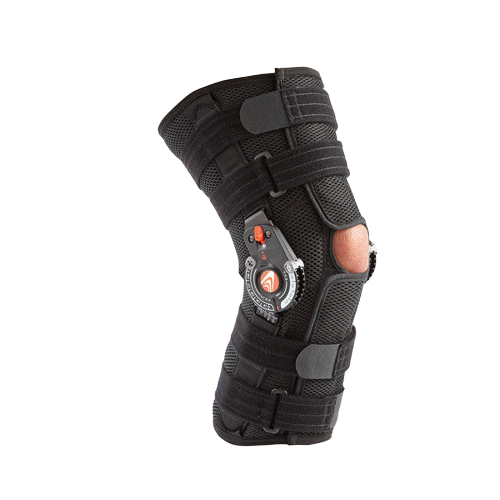
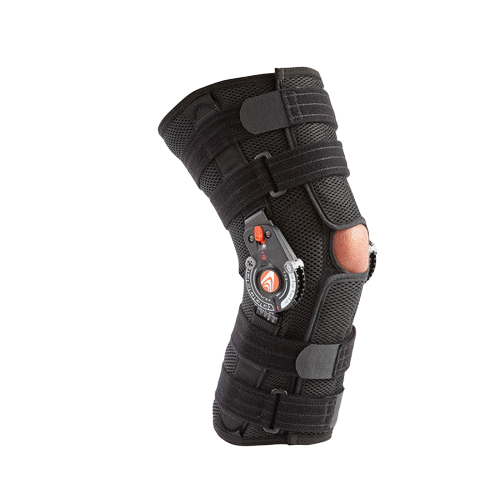
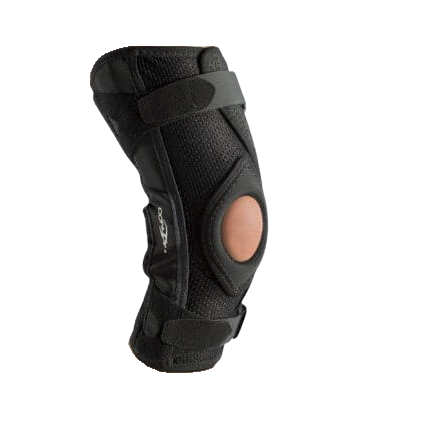
An MCL knee brace limits that inward stress. A medial knee brace typically uses a hinged frame and adjustable straps to control side-to-side movement while allowing normal flexion and extension. The degree of support needed depends on the severity of the strain, and a care provider should always guide the bracing approach.

MCL Brace Vs ACL Brace: Key Differences
Both brace types use hinged frames and similar strap systems. The distinction lies in what type of instability each is built to address.
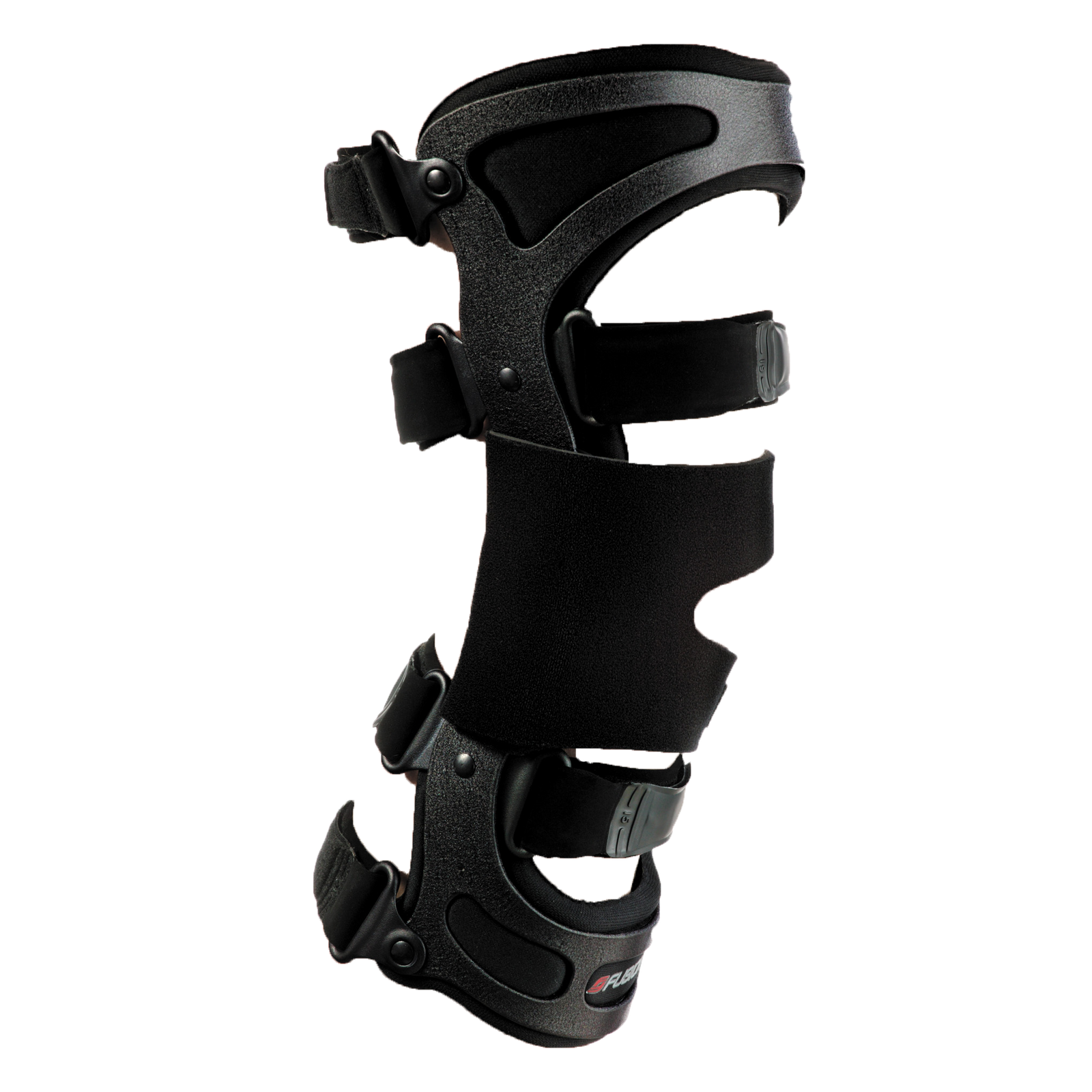
An ACL brace limits rotational and anterior instability. An MCL brace focuses on limiting valgus stress, which is the inward collapse of the knee. For most isolated MCL strains, a brace optimized for medial support is the more targeted choice. The guide on the best hinged knee braces covers how hinge design affects performance across different injury types.
What To Look For In A Knee Brace For MCL Tear
A few design features determine how well a brace supports the medial side of the knee during recovery.
Hinge Type And Medial Support
A hinged brace for MCL injury should include medial and lateral uprights that limit side-to-side movement without restricting flexion. Polycentric hinges are generally preferred because they follow the natural arc of the knee through a full range of motion.
Fit And Sizing
A poorly fitting brace will not provide consistent medial support. Look for thigh and calf circumference sizing rather than general size labels. Adjustable straps above and below the knee allow for a more precise fit as swelling changes during recovery.
Weight And Daily Wear
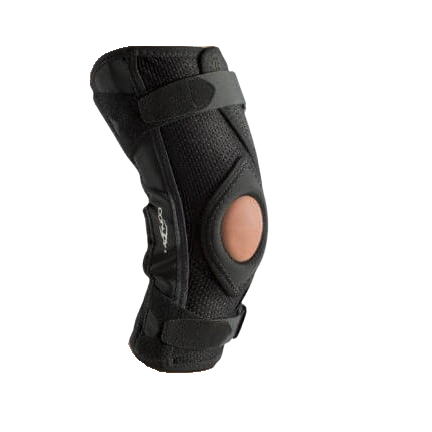
For adults using a brace throughout the day, lighter frame materials reduce fatigue without sacrificing stability. DonJoy knee braces are well-regarded in this category, offering a range of hinged styles suited to varying levels of medial support.

MCL Recovery Support: Bracing Across Recovery Stages
The type of brace appropriate for MCL recovery changes depending on how far along the healing process is.
In earlier stages, a more protective brace may be used while inflammation settles. As stability returns, a functional brace suited to daily activity and physical therapy becomes appropriate.
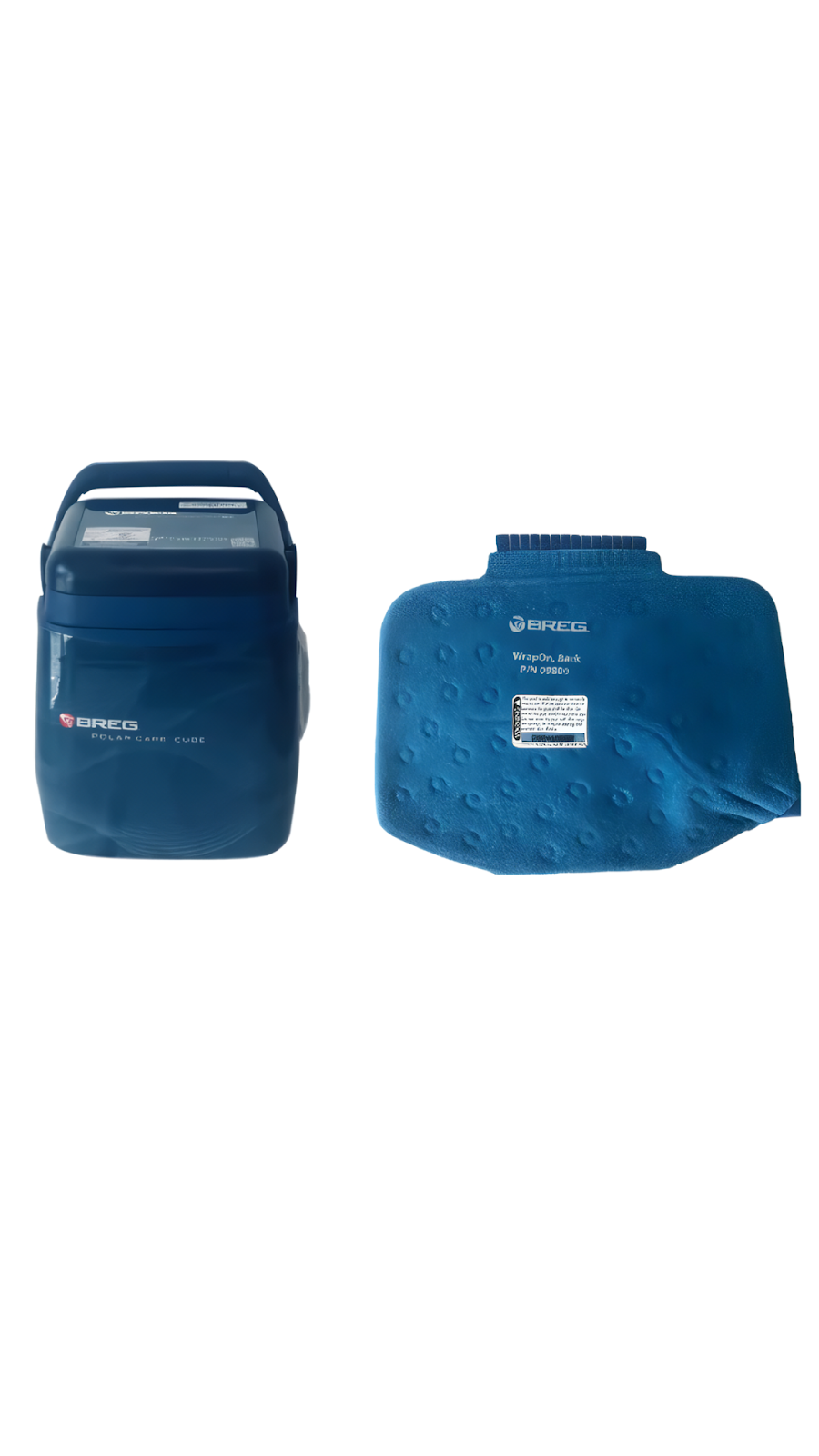
Pairing a brace with cold therapy for knee pain is common in the early days following a strain. A cold therapy machine for knee recovery can help manage discomfort, while bracing and rest remain the primary focus.
ACL Brace Vs MCL Brace: Choosing The Right One
If instability is felt on the inner side of the knee during weight-bearing or lateral movement, a medial knee brace is the more appropriate starting point. If the knee feels unstable during pivoting or forward-loading movements, an ACL-focused brace may be more relevant. A care provider can confirm which type of instability is present and guide the selection accordingly.
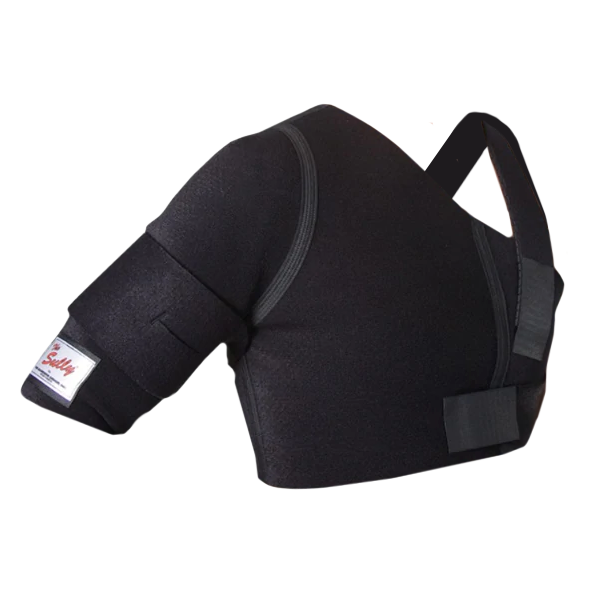
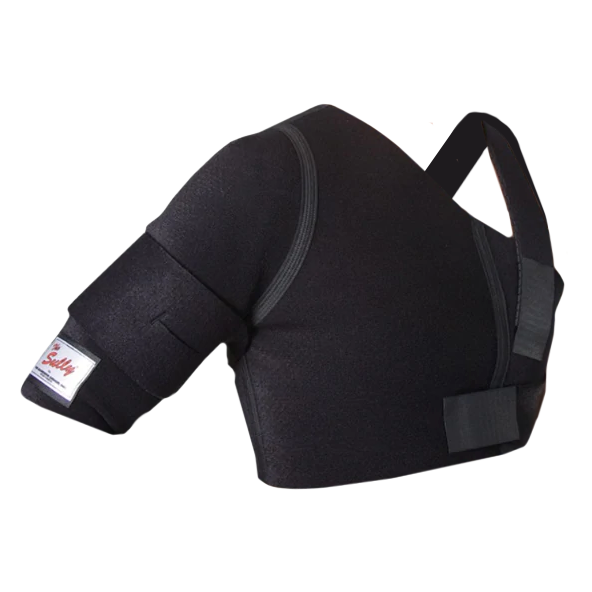
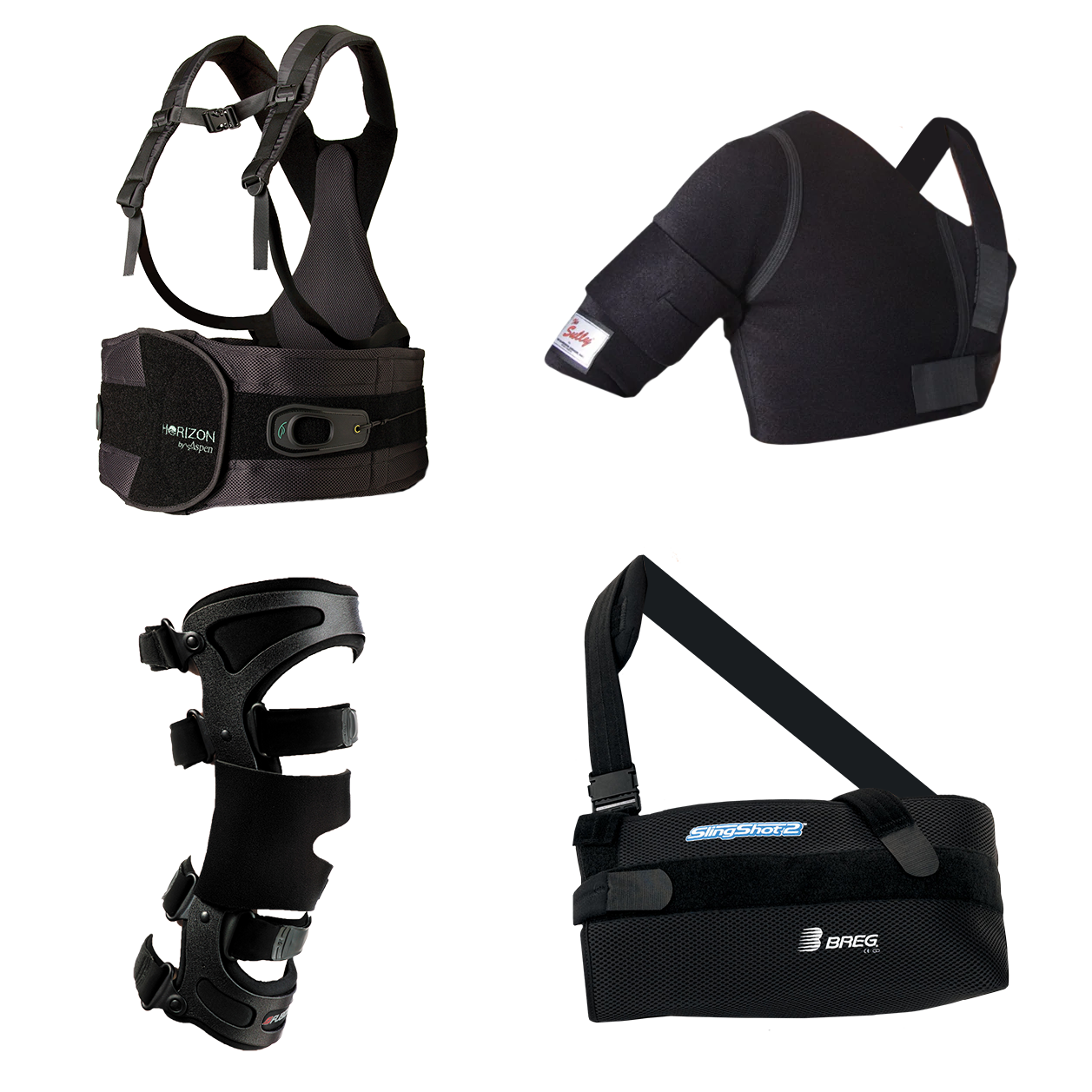
Ortho Bracing offers options across both categories and stocks shoulder braces and supports for those managing recovery across multiple joints.
How Ortho Bracing Supports MCL Recovery
Ortho Bracing offers MCL recovery support options from Breg, DonJoy, and Aircast, ranging from early-stage protective braces to functional hinged options for return to activity. Orders ship the same day from Charlotte, and support staff is available to help match the right brace to the injury type and stage of recovery.

Final Thoughts
An MCL knee brace serves a specific purpose that a general compression sleeve cannot replicate. The right brace limits medial stress on the joint, fits properly, and suits the current stage of recovery.
Ortho Bracing offers options across recovery stages, with staff available to help narrow down the right choice before the order is placed.
Frequently Asked Questions About MCL Knee Braces
Is a knee sleeve enough support for an MCL strain?
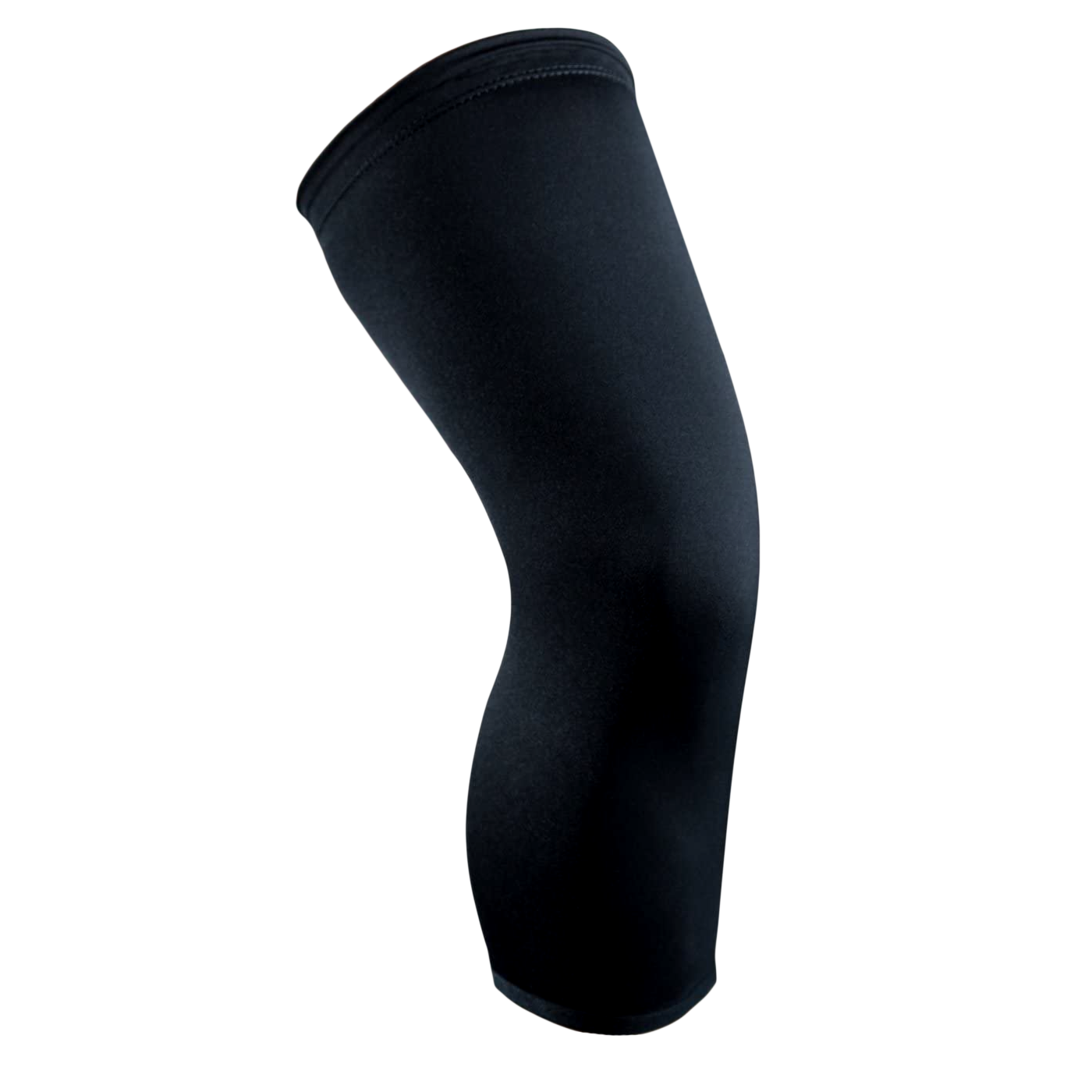
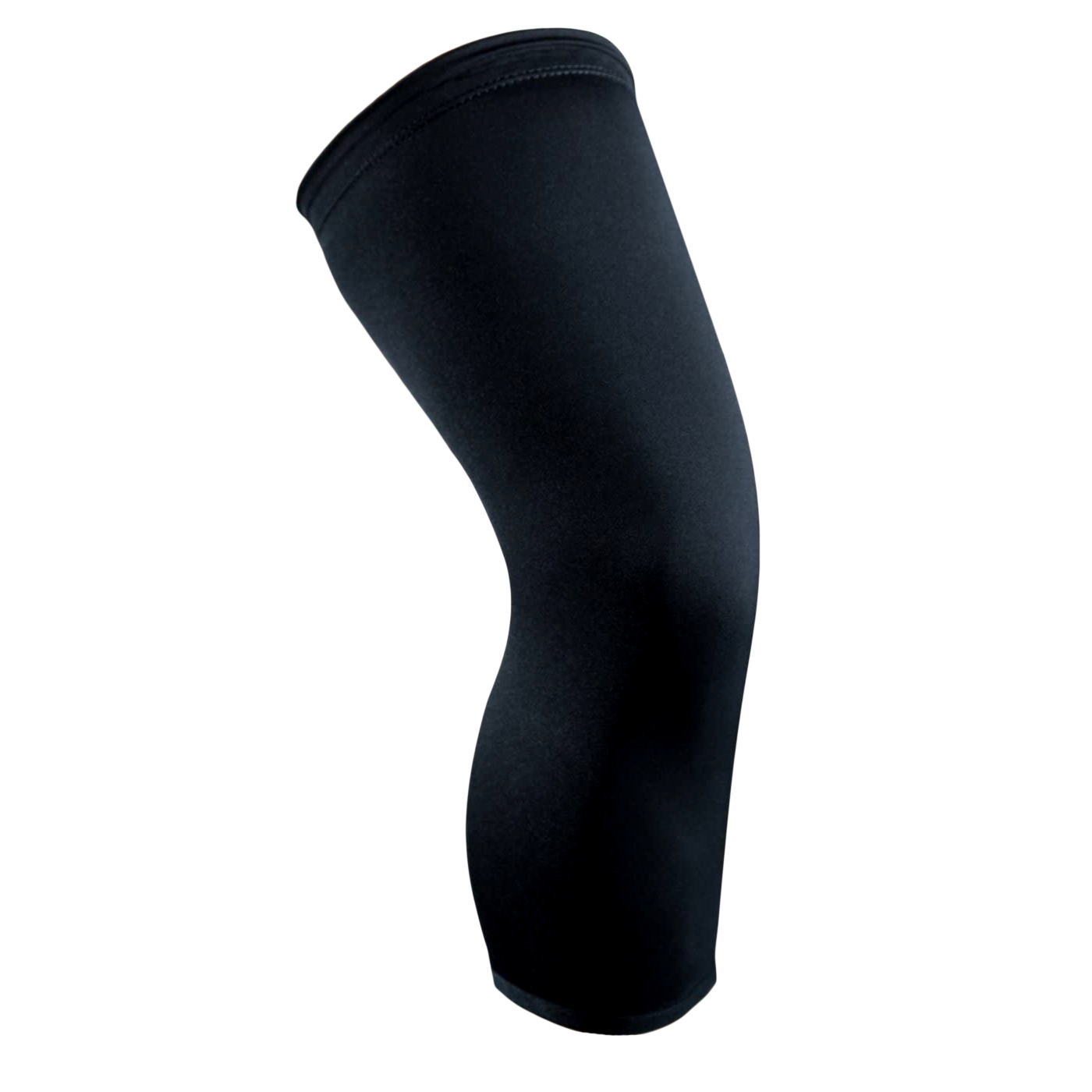
For very mild strains, a compression sleeve may provide adequate comfort during low-impact activity. For moderate to significant strains, a hinged medial knee brace offers more targeted structural support.
How long should an MCL brace be worn?
Duration depends on severity and the care provider's guidance. Mild strains may require a few weeks of bracing, while more significant injuries involve a longer period.
Can the same brace be used for both MCL and ACL injuries?
Some braces address multiple types of instability and may suit injuries involving combined instability. For isolated MCL or ACL injuries, a brace optimized for that specific instability is the better choice.
What is a hinged brace for MCL injury?
A hinged brace uses rigid uprights on either side of the knee connected by hinges that allow controlled flexion and extension. For MCL injuries, the medial upright helps limit inward stress on the joint during movement.
Does Ortho Bracing carry MCL-specific braces?
Ortho Bracing carries hinged knee braces suited to medial ligament recovery from Breg, DonJoy, and Aircast. Support staff can help identify the right option for the injury and recovery stage.
How is an MCL brace different from a post-operative brace?
A post-operative brace restricts the range of motion after a surgical procedure. An MCL brace for conservative recovery allows controlled movement while protecting the ligament from excessive medial stress.
Can an MCL brace be worn during physical therapy?
Many hinged MCL braces are designed for active use and can be worn during physical therapy. The treating provider should confirm whether bracing is appropriate for specific exercises.

