Cervical traction is most commonly used for three situations: chronic neck pain, cervical disc issues such as herniation or degenerative disc disease, and post-injury recovery where a care provider has recommended decompression as part of a home routine.
For chronic neck pain, traction can help relieve the persistent pressure and muscle tension that builds around the cervical spine during daily activity. Many people use a home traction device as part of a broader management routine that includes physical therapy exercises and other conservative care.
For cervical disc issues — particularly herniation at levels like C5-C6 or C6-C7 — traction creates separation at the affected level that reduces pressure on the nerve root and may help alleviate radiating arm pain, numbness, or tingling associated with nerve compression.
For post-injury neck stiffness and recovery, home traction gives patients a structured way to continue the kind of decompression work done in a clinical setting on their own schedule between appointments.
It is important to use any traction device under a healthcare provider's guidance. A physician or physical therapist can confirm whether traction is appropriate for your specific situation and recommend a starting point for traction force and session length before you begin.
What A Cervical Traction Device Does
A cervical traction device is designed to gently stretch the neck. According to StatPearls, the theoretical mechanism of cervical traction involves widening of the intervertebral foramen and separation of the facet joints — the structural effects created by applying a controlled stretching force to the cervical spine. The devices in our lineup are intended for home use and are built to let users control the amount of stretch applied during each session.
Home Cervical Traction: What To Expect
Home cervical traction is designed to replicate, in a simplified form, the kind of manual or mechanical traction used in clinical settings. The goal is to give users a way to perform sessions on their own schedule, in their own space, with a device calibrated to their comfort level.
Most devices intended for home cervical traction come with adjustable angles or tension controls so the experience can be tailored as the user becomes more familiar with the equipment. Our lineup includes two units that approach this differently, each with its own design and price point.
The Cervical Traction Devices We Carry
We carry two options for home cervical spine decompression. Here is a closer look at each.
Saunders Cervical Traction Device With Case
The
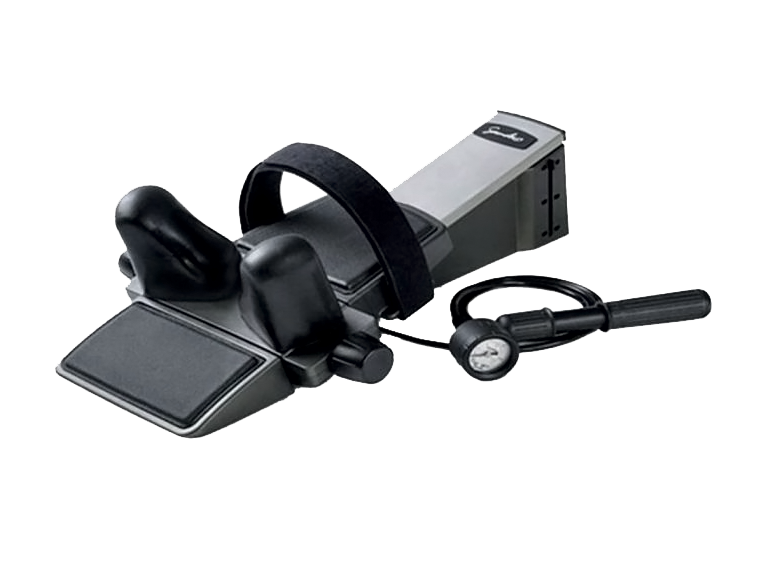
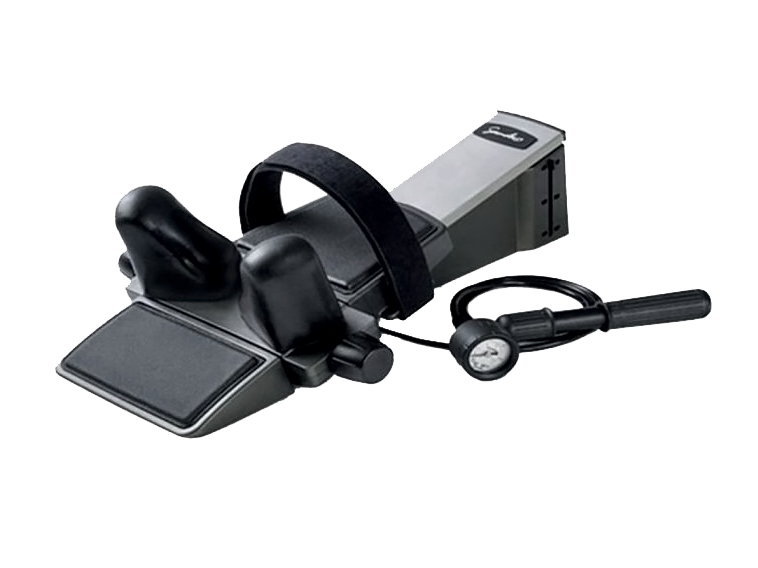
Saunders Cervical Traction Device is widely regarded as the gold standard in home cervical traction. It is manufactured by Chattanooga, built from high-quality medical-grade materials, and comes fully assembled with no setup required. The unit is ready to use directly out of its included carry case.
The Saunders uses a hand-held pump to apply a traction force, which is measured on an easy-to-read pressure gauge in both pounds and kilograms. This gives users precise control over the amount of stretch applied during each session. The base offers three adjustable angles (15, 20, and 25 degrees), allowing the neck to be positioned as desired based on user preference or healthcare provider instructions.
Key features include:
- Fully assembled and ready to use out of the case
- Hand-held pump with a pressure gauge in lbs and kg
- Three adjustable base angles (15, 20, and 25 degrees)
- Patented self-adjusting neck wedges with padding for comfort
- No electricity required
- Made from high-quality medical-grade materials
- Requires a prescription from a physician
The Saunders is the higher-priced option in our lineup and is the right choice for users who want clinical-grade precision and a device with a long, well-documented track record in both home and professional settings.
Theratrac Glide Cervical Traction Device
The
Theratrac Glide is a cable-based neck traction device that offers a smooth, controlled stretch at a lower price point than the Saunders. The system uses a cable-and-track design that moves the head gradually upward as the user turns a dial. The dial controls cable tension, allowing easy adjustments throughout a session without sudden or jerky movement.
Rather than using a head strap that wraps around the skull, the Theratrac Glide uses adjustable foam neck pads that support the neck without putting pressure on the head. Users who find head-strap designs uncomfortable often find Theratrac's padding approach a better fit.
Key features include:
- Cable and track system for smooth, controlled traction
- Easy-to-use dial for tension adjustment
- Adjustable foam neck pads instead of a head strap
- No head constriction during use
- More affordable alternative to the Saunders
The Theratrac Glide is a practical option for users who want a capable home neck traction device without the higher investment of the Saunders unit.
Cervical Collar Vs. Traction: Understanding The Difference
A question we hear fairly often is about the difference between a cervical collar and a traction device. They are not the same thing, and understanding the distinction helps set the right expectations before buying.
A cervical collar is a support worn around the neck that limits movement and holds the neck in a relatively stable position. It does not apply stretch or separation to the vertebrae. Clinical literature describes a soft cervical collar as a tool for alleviating acute pain episodes through support and limited motion — a mechanism and purpose distinct from traction, which targets neural structure decompression. Collars are typically used for immobilization during recovery from certain procedures or as directed by a care provider.
A cervical traction device actively applies a stretching force to the neck, creating decompression along the cervical spine. This is a different mechanism with a different purpose. If your care provider has specifically recommended cervical traction, a collar is not a substitute. And if immobilization is what has been recommended, a traction device is not a replacement for a collar.
If you are unsure which category applies to your situation, speak with your physician or physical therapist before purchasing either.
Over-The-Door Traction Device: How It Compares
An over-the-door traction device is a simpler, lower-cost option that uses a weight and pulley system attached to a door frame to apply traction force. While these units are widely available and inexpensive, they have practical limitations.
The angle and force applied are less precise and harder to control compared to dedicated home traction units like the Saunders or the Theratrac Glide. The setup requires a door, a reliable anchor point, and correct positioning each time. For users who want a more consistent, user-controlled experience with reliable results for chronic neck pain, cervical disc issues, or post-injury recovery, a self-contained home traction unit is often the more practical long-term choice.
We carry cervical spine decompression equipment specifically designed for home use, and our team is available to help you compare your options before you order.
Choosing Between The Two Units
Both devices in our lineup are designed for home cervical spine decompression, but they suit different users.
If Precision And Clinical-Grade Performance Matter Most
The Saunders Cervical Traction Device is the right fit. The pressure gauge gives you a specific, repeatable measurement for each session, which is particularly useful when following a protocol set by a physical therapist. It is built to last, requires no electricity, and is well-regarded in both home and clinical environments. It does require a physician's prescription to purchase.
If Affordability And Comfort Are The Priority
The Theratrac Glide offers a smooth and comfortable traction experience at a lower price point. The foam neck pad design makes it a better fit for users who find head-strap systems uncomfortable, and the dial control gives a good degree of adjustability for day-to-day sessions.
If you are weighing the two and want help deciding, our team is available to answer questions before you buy. A real person will respond, not an automated system.
What To Know Before You Order
Prescription Requirement For The Saunders
The Saunders Cervical Traction Device requires a physician's prescription. If you are purchasing this unit, make sure you have that documentation ready. Our team can help clarify the process if needed.
Using Your Device Alongside Other Recovery Equipment
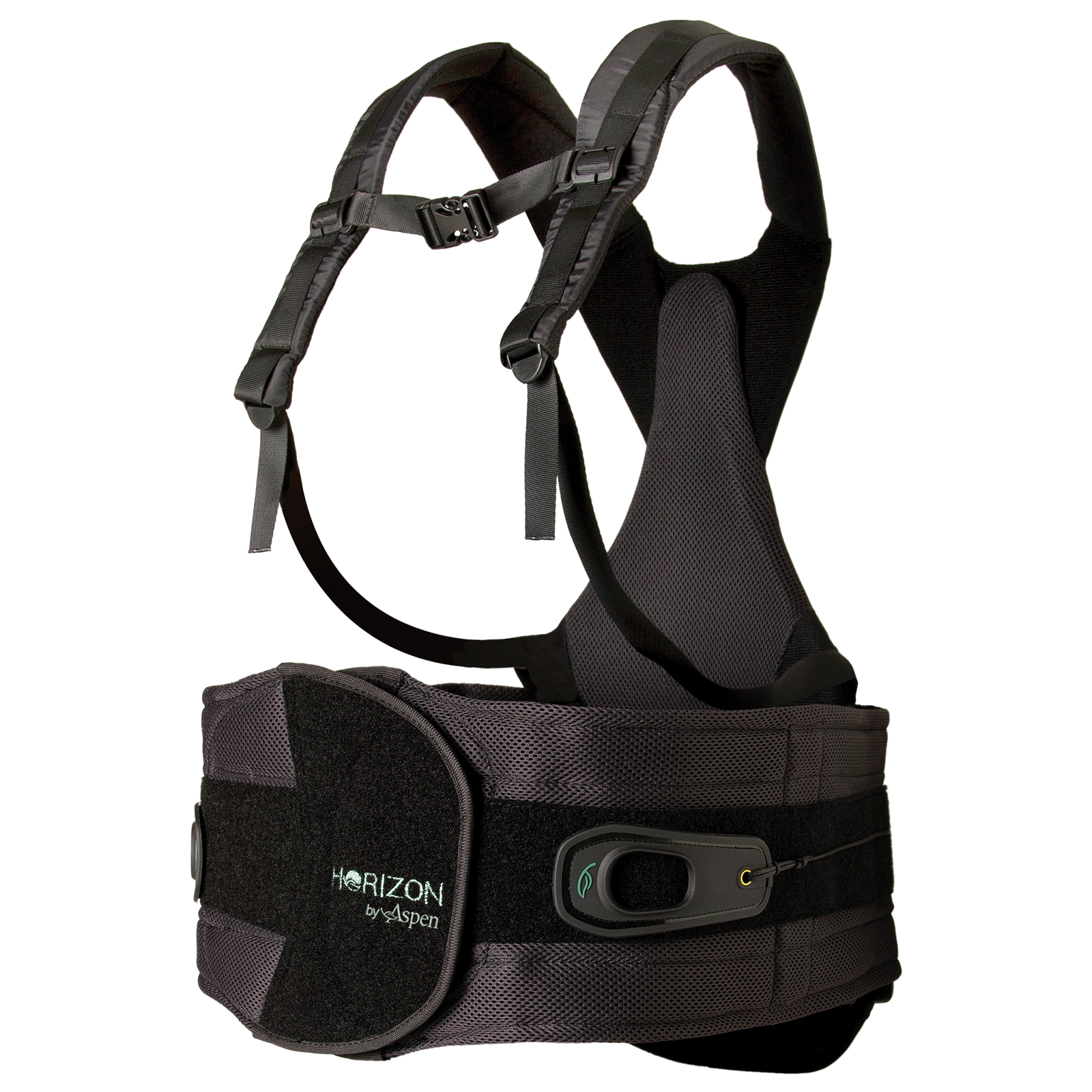
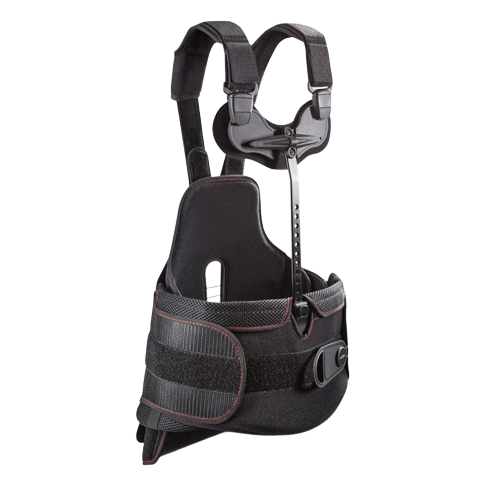
Many of our customers use cervical traction as one part of a broader home recovery setup. If you are also managing post-procedure discomfort in other areas, our
cervical and lumbar traction devices collection covers both regions. For those managing joint discomfort elsewhere, we also carry a full range of
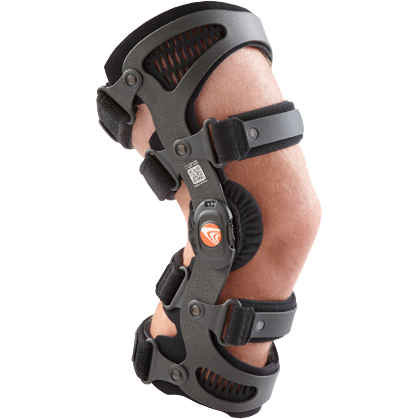
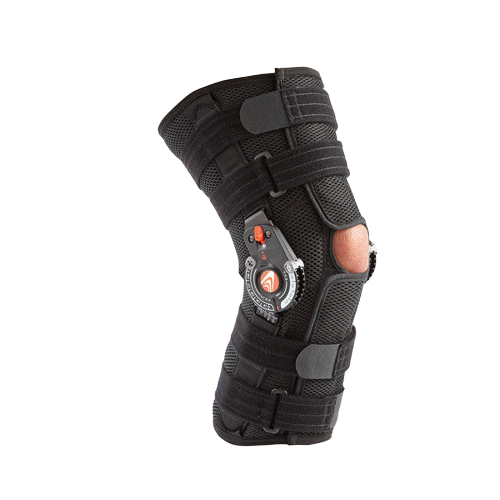
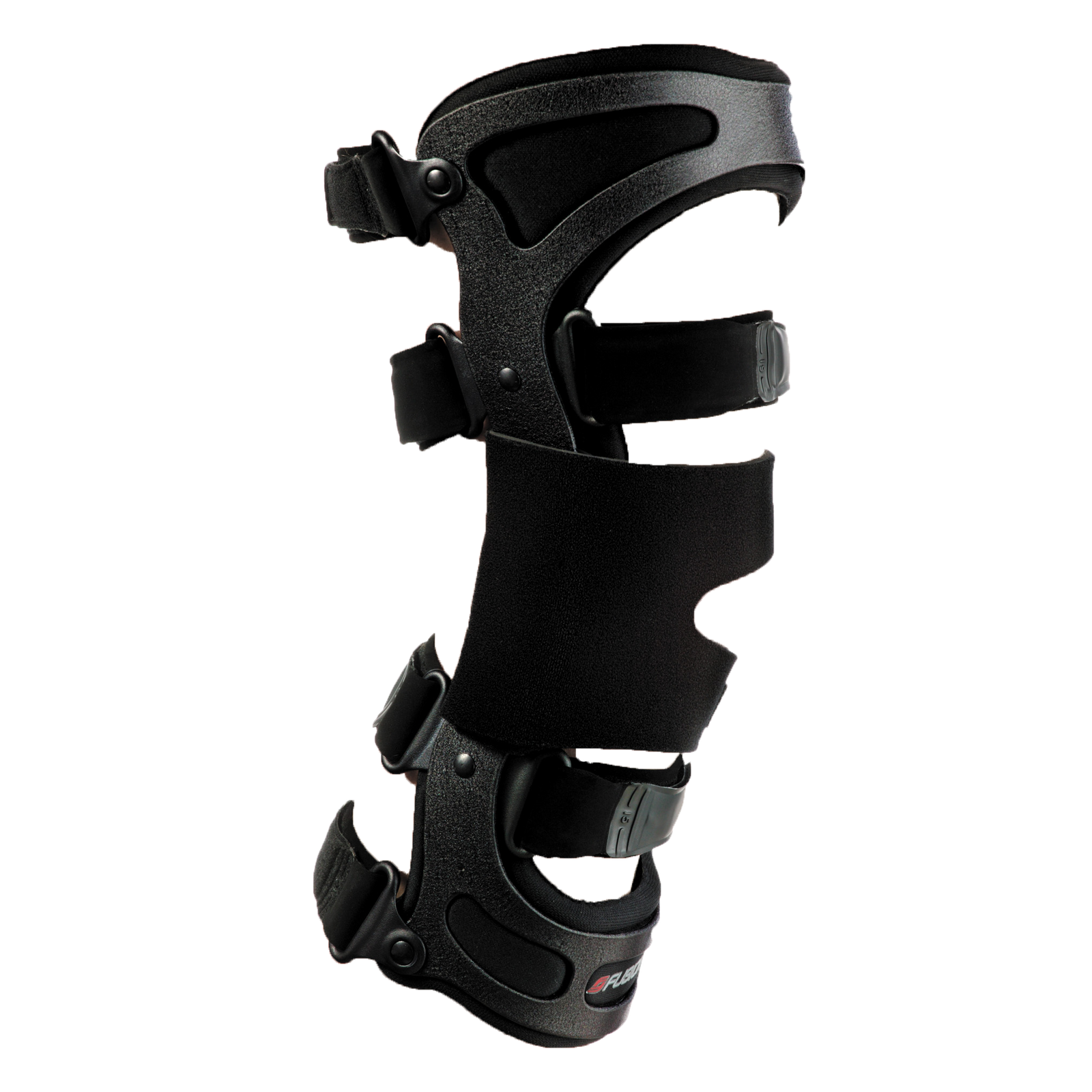
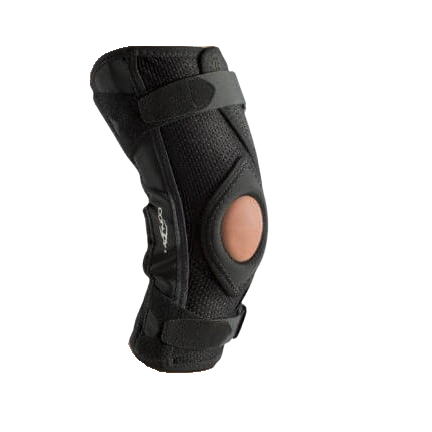
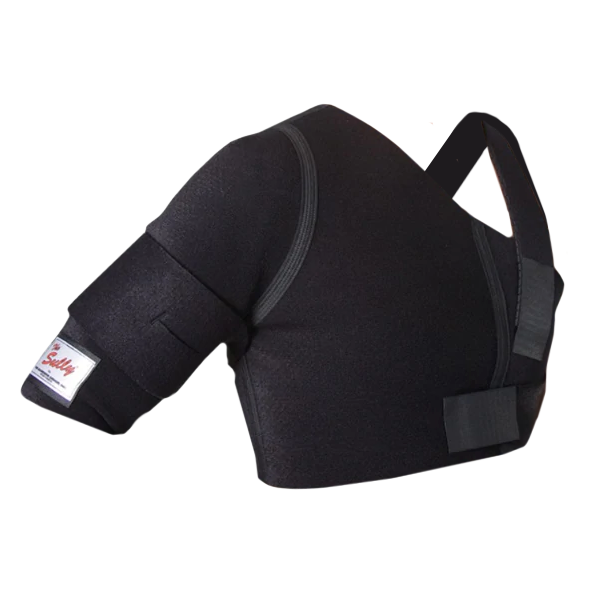
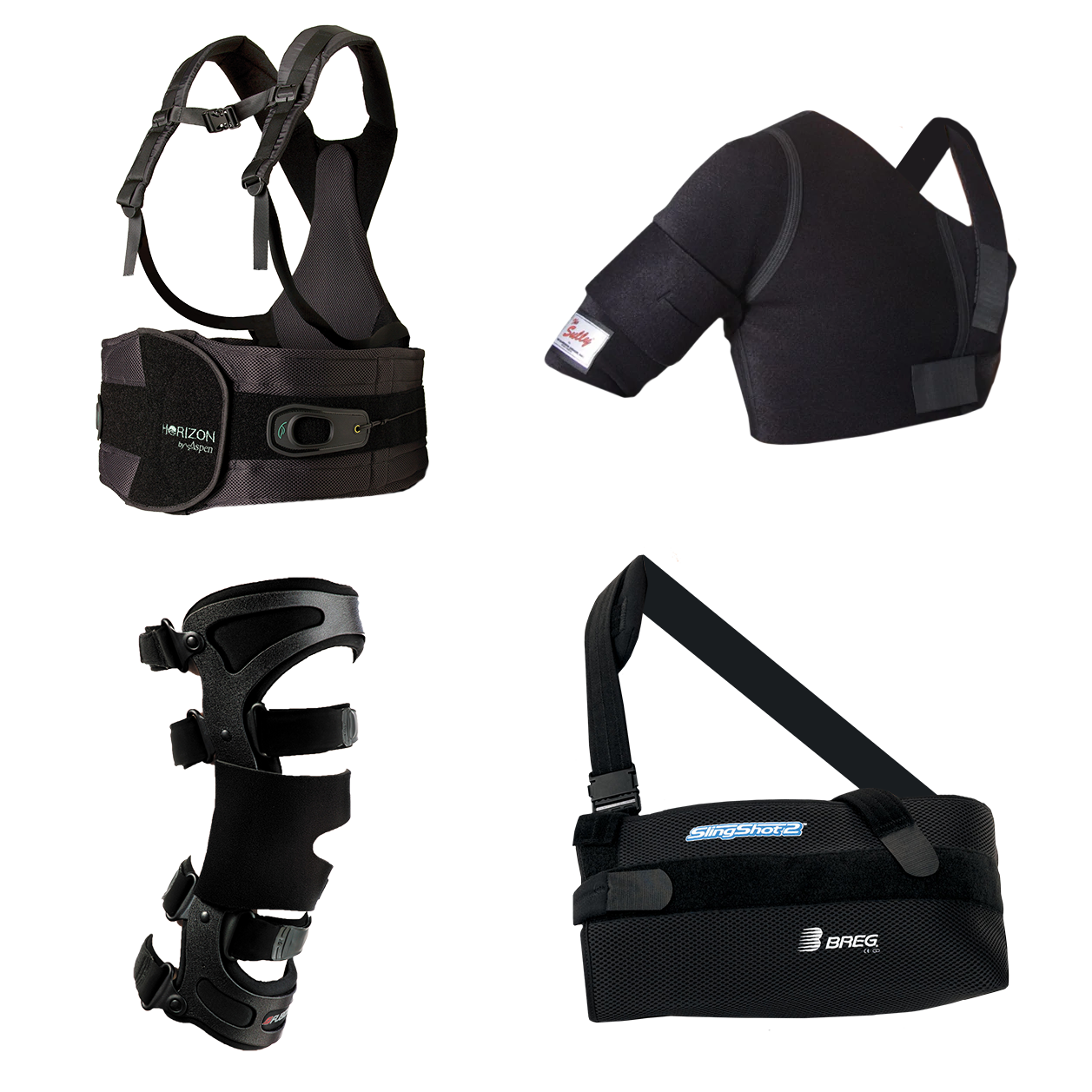
orthopedic braces and supports.
Cold therapy is another tool many people use alongside physical supports during recovery. Our guide on
how long to use cold therapy covers timing in practical terms, and our
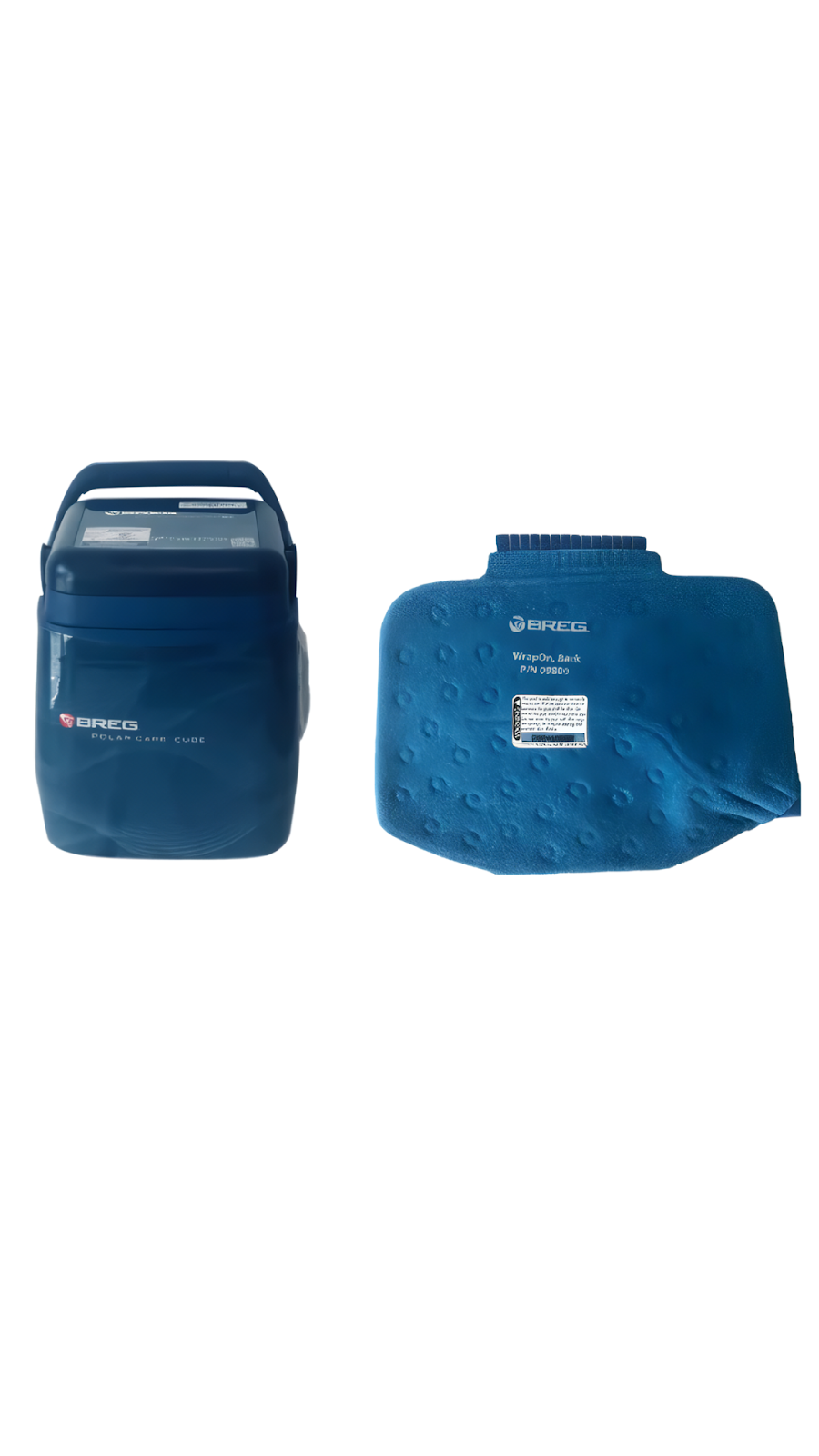
Breg orthopedic products collection covers cold therapy and bracing options for other areas.
Consulting Your Care Provider
We always recommend working with your physician or physical therapist before beginning any traction program. They can help establish appropriate force levels, session length, and frequency based on your individual situation. Our products are tools to support your routine, and using them within a care plan is the best way to get the most from them.